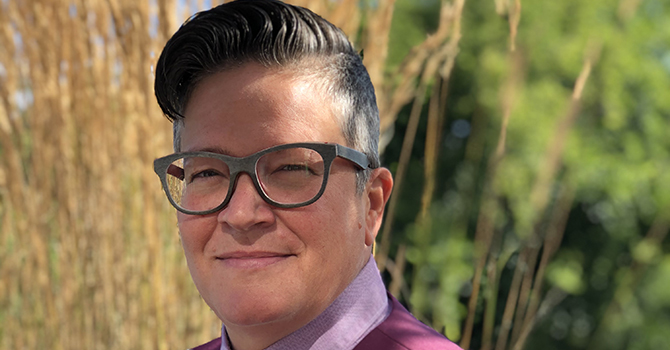
25 January 2022

Co-Management of Vancouver Parklands with the Musqueam, Squamish, and Tsleil-Waututh nations

Last night, in a 5-2 vote, the Vancouver Board of Parks and Recreation voted to "to explore opportunities with the Musqueam, Squamish, and Tsleil-Waututh Nations (“the three Nations”) for co-management of parklands within their own respective territories that are currently under Park Board jurisdiction per the Vancouver Charter". 

These are my introductory remarks upon moving the motion:


At the start of each of our meetings, in the spirit of reconciliation, we make a land acknowledgment. This is an important statement recognizing where we are. But reconciliation has to be more than just words. There must be action as well as words. In her book ‘Indian in the Cabinet: Speaking truth to power’ the Hon. Jody Wilson-Raybould reminds us that “Words, in the work of reconciliation, are also cheap without real action—action that goes to the core of undoing the colonial laws, policies, and practices, and that is based on the real meaning of reconciliation” (176)

The Vancouver Board of Parks and Recreation is, I believe at the forefront of this work, and I want to thank the entire Decolonization, Arts and Culture team for the incredible work they are doing. I want to thank all of our staff for embracing reconciliation as a foundational principle.

The spirit of this motion is for the Park Board to again put reconciliation into action. The motion calls for the Park Board to initiate a conversation with the Musqueam, Squamish, and Tsleil-Waututh First Nations on ways for them to work with the Park Board on managing parklands within their respective territories that fall under our jurisdiction. 

This motion seeks to move closer to reconciliation with past decisions that impact our city today. Many of our parks and beaches are on land that has been integral to the First Peoples of this area for millennia. Villages, camps, food gathering sites, and burial sites are situated on the land we manage and have jurisdiction over. This motion seeks to recognize this fact.

The motion asks staff to explore with the Musqueam, Squamish, and Tsleil-Waututh Nations and report back on recommendations for co-management of parklands within their own respective territories that are currently under Park Board jurisdiction per the Vancouver Charter. The motion calls on our staff, including our legal staff, to work with the Musqueam, Squamish and Tsleil-Waututh nations to define what co-management means in the context of Vancouver parklands and once that definition is agreed upon to then develop a plan for co-management. 

The motion does not have any pre-determined outcomes, nor does it set out how the process will unfold. It asks our staff to work with the Nations to create this process and then develop how this idea can be fulfilled. 

In 2018, when the Park Board approved the Colonial Audit, Chief Ian Campbell of the Squamish Nation stated, “First Nations can be more involved in decision-making, economic opportunities, and environmental stewardship”. This motion seeks to recognize this and act upon it.

Stewardship of our parklands is of ever-increasing importance as we become a denser city and parks and greenspaces become more important to the residents. The First Peoples have been stewards of this land since time immemorial and we newcomers have much to learn. We must seek traditional knowledge, as well as new knowledge, as we tend to these precious spaces. 

Jody Wilson-Raybould also states “to address the legacy of colonialism in this country, the colonizers are going to need to learn a lot from those they sought to colonize. Not just to confront their own actions, ignorance, and systemic racism, but to actually make Canadian institutions and modes of governing better by learning the values, principles, and practices that uphold Indigenous governments and societies…” (265)

This motion seeks to be another step in that direction. By acknowledging the land, and by recognizing that colonial ways of doing things are not the only ways of doing things; by seeking help from the indigenous people of this land and working with them, we can have better parks in Vancouver. We can have parks that recognize the natural history and the human history, and prepare our public spaces for a future where all are welcome and that will last millennia to come.


23 January 2022

Time is well past due to address climate change, for our own sake

Recent events only confirm the environmental threat's real

Vancouver Sun 22 Jan 2022

Stuart Mackinnon says

The recent storms have shown how vulnerable Vancouver's coastal infrastructure is.

The seawall around Stanley Park sustained major damage. Our beaches, coastal parks and pathways were inundated with water and aquatic debris. Piers were torn up, logs tossed about on beaches and damage caused to our waterfront access. This, on top of the earlier damage from the atmospheric river event that pushed a barge so far onto Sunset Beach that the owners and federal government are still unsure of how they're going to remove it.

These events have a lot of people talking. Some of that talk has been irresponsible speculation, some has been hair-pulling and teeth-gnashing apocalyptic chatter and some has questioned the benefits of maintaining a fortress-like wall around the city.

What we need is less self-righteous indignation and more co-operation to support our park board workers as they navigate the difficult tasks involved in fully reopening the parks. This includes staying off the seawall while repairs are done.

The seawall is a much-loved amenity — loved by residents and visitors alike. Our staff will be working to clear the debris, analyze the damage and seek the quickest and most cost-efficient ways to safely repair and reopen it.

However, we as a city need to think about how these changing climate events are impacting our infrastructure. If, as many believe, these aren't anomalous events, but in fact a new normal, then we need to be planning for infrastructure that can withstand these events.

Projections for sea level rise vary widely. However, after the year 2050, it's projected to rise from 60 centimetres over current levels to more than six metres over current levels by

We can no longer afford the luxury of putting off climate mitigation. We must find ways to both allay the dangers coming and work together to reduce our ecological footprint.

2100. The province of B.C. currently recommends using half a metre for planning to 2050, one metre to 2100 and two metres to 2200. Unfortunately, historic sea-level rise can't be used to predict future increases given the increasing pace of climate change.

To protect vulnerable areas, the City of Vancouver estimates it will need to invest $1 billion in flood management infrastructure alone by 2100. With climate change and sea-level rise, simply building back to current standards won't be enough.

We need to rethink which amenities are both cost-effective and desired. Every decision we make has a cost attached to it. The park board, like other public and private entities, must now include climate change in those costs — both to build and to maintain infrastructure. And not just new projects; we must re-examine all of our current infrastructure through the lens of climate change and mitigation. We must not only build new and better, but also sustain what we already have.

As we look ahead, this is an excellent chance to work in partnership with the Musqueam, Squamish and Tsleil-waututh Peoples, who have lived on these lands since time immemorial, to learn about these iconic places and their experience working with the land and sea. Their knowledge will be imperative so that we don't repeat mistakes we may have made in the past.

Vancouver isn't unique in this situation. Coastal cities around the world are faced with the same dilemmas. Whole nations face being swamped by ever-rising oceans. We can no longer afford the luxury of putting off climate mitigation. We must find ways to both allay the dangers coming and work together to reduce our ecological footprint that is driving climate change.

Pulling of hair and gnashing of teeth is neither useful, nor productive. It's time to work together for the benefit of all.


Stuart Mackinnon is a Green party commissioner and chair of the Vancouver park board.

25 October 2021

Does Vancouver need a Park Police Force?

 At the last meeting of the Vancouver Board of Parks and Recreation, staff presented a report entitled “Park Ranger Service Model - Phase 1 Report Back”. This report recommended increased budget for the Park Rangers program and to ‘Create new positions with Peace Officer status to provide enhanced by-law enforcement support’. 

The Ranger program began in 2000 as the front-line ambassadors in parks and public spaces. They support a broad range of events and activities, and assist with issues such as:

Providing visitor information and wayfinding

Educating the public about park regulations such as the smoking, dogs on leash, and cycling                     bylaws

Enforcing the Park Board By-laws

Supporting permitted events and filming

Working with Vancouver Police, Vancouver Fire and Rescue Service, BC Ambulance, and other             departments and agencies on issues found in parks

Dealing with homelessness as it impacts parks, and connecting individuals with support services

Responding to park concerns reported through 3-1-1 and VanConnect services

Park Rangers patrol parks and beaches throughout Vancouver. A seasonal ranger station is located         at Second Beach, next to the concession.

However, Park Rangers are not police and Park Board acknowledges that the public should call 9-1-1 if there is an emergency that requires police, fire, or ambulance.

With an increase of more than 1,153% of cases from 2015 (1,909 cases) to 2020 (22,010 cases) there is definitely a need to increase the number of Rangers. Social issue related cases such as mental health, drug addiction, and temporary structures in parks, rose by 40% in 2020, and are forecast to continue rising during 2021.

 The call for enhanced powers is because the Vancouver Police do not regularly attend to Park by-law infractions unless they are called by the Rangers, and then generally only if there is a special need for them to be there. Excessive noise, camping, feeding wildlife, or smoking in parks are not usually deemed important enough for attendance.

The recommendation to create new Peace Officer positions would see some Rangers elevated to the level of Police Constable. Police Constables are police officers. They have all of the same rights and responsibilities of a police officer. What was not known was whether that would mean they could carry handcuffs, batons, or even a fire arm, or if they would have the right of holding and arresting individuals, and using force to do so.

The Commissioners unanimously approved an increase of 1.8 million dollars to hire more Rangers, but by a 5-2 vote amended the recommendation to explore the creation of new positions with ‘enhanced bylaw enforcement authority’ as part of the regular full-time workforce, rather than to move immediately to creating Peace Officers. I was one of those who supported the amendment. 

I understand the need for our Park Rangers to be able to enforce park by-laws but I am not sure that elevating them to police constables is necessarily the right move. I want to ensure that we make the right changes, and so need to know what the options are. 

In Vancouver we already have the RCMP, the Vancouver Police Department, and the Transit Police. Do we need another police force? Could Park Rangers enforce our by-laws without being Peace Officers/Constables? Could they be trained as ‘Special Constables’ with very specific authority?

Before we move to another level of policing, I need to know what the cost of training would be. I need to know what the cost in equipment, wages, and professional development would be. I want to know what the alternatives are. Do we need to change provincial legislation or could the creation of ‘Special Park Constables’ with limited powers be done under current regulations? What do the local police feel about another layer of policing within their jurisdiction? What does the Indigenous community think? What does the BIPOC community think? What do queer, trans, and Two-Spirit folks think? What do marginalized communities think?

It would be easy to say yes let’s create a Park Police to enforce our bylaws; it would be irresponsible to do so without knowing the costs and consequences of such a decision.


06 October 2021

Park Board approves planning of creek through Spanish Banks parking lot and dog park

 Kenneth Chan, Daily Hive

|Oct 5 2021, 1:43 pm


Planning for the daylighting of Canyon Creek at Spanish Banks Beach Park will advance, following a unanimous decision by Vancouver Park Board commissioners on Monday evening.

Canyon Creek, which is fed by a large catchment area within Pacific Spirit Regional Park, currently runs through a culvert under Northwest Marine Drive, the Spanish Banks West Parking lot, and the park’s dog off-leash area, before entering Burrard Inlet.

Based on Park Board’s staff preliminary planning work since late 2020, this project would establish a watercourse at ground level with a naturalized and vegetated area, creating a new habitat for bird, aquatic, and pollinator species. It would also serve to improve the water quality entering Burrard Inlet.

To achieve the daylighting of the creek north of Northwest Marine Drive, it is currently estimated that about 35 out of a total of 266 existing vehicle parking stalls would need to be removed.


It would also bisect the park’s off-leash dog area — the third-largest in the city with a total open area of 12.45 acres. About half an acre of this off-leash dog park area would be removed to accommodate the naturalized riparian habitat, which would need to be fenced off to prevent dogs from disturbing any wildlife.

East-west pathways at the park would also be reconfigured. Currently, both the pedestrian and cycling pathways run along the northern edge of the park. Improvements would be made by fully dedicating the existing pedestrian pathway and building a new separated pathway north of the parking lots for cyclists. Two bridges would be constructed over the daylighted creek for the pathways.

“This is a very exciting project, certainly exciting for me, who has been working on daylighting creeks for more than 20 years here in the city. Any chance we have to daylight a creek is a good day,” said Green Party commissioner Stuart Mackinnon.

“The report talks about increasing biodiversity, naturalization of the area, and connectivity of waterways. These are things that we ought to be doing more of. I know it’s very expensive to do these things within the city, but we did it in a brilliant way for Renfrew Ravine, Still Creek, and other areas.”

Green Party commissioner Dave Demers added: “It’s a very exciting project. It’s one that captures the imagination of the general public. We see that with every daylight project that is out there.”

Staff with the Park Board will now take the next steps of consulting with local First Nations and pursuing a nominal rent tenure — $1.00 for the entire term — from the provincial government, given that the proposed project area sits on untenured crown land.

The Park Board, under the City of Vancouver, has a 99-year lease from the provincial government for the area that is used as a beach park. The lease expires in January 2029, and negotiations would be required for a renewal of the lease. The proposed daylighting project would be undertaken only within the city’s lease area.

Mackinnon says he wants any land that is leased from the municipal government passed to the Park Board as a permanent park.

The Park Board anticipates it will receive the required provincial approvals by late 2022. This will trigger detailed design and public consultation in 2023, with Park Board commissioners potentially reviewing the project late that year for final approval. If the project proceeds, it would be covered under the 2023-2026 capital plan, which also necessitates approval by Vancouver City Council.

Further east in Kitsilano, the Park Board has plans to daylight the historical creek that once flowed through Tatlow Park and Volunteer Park, just east of Macdonald Street.

30 April 2021

More than 180 people moved from Strathcona Park into accommodation by GM Order deadline

 April 30 2021

The encampment in Strathcona Park has come to a close with the vast majority of people who had been sleeping overnight in the park having moved into safe and secure accommodation.

The movement of people from the park follows a General Manager’s Order that was issued by the Vancouver Board of Parks and Recreation on April 9. The order stated that all existing tents, temporary shelters and structures must be removed from Strathcona Park by 10 am today.

Over the past three weeks, BC Housing and the City of Vancouver have moved 184 people into accommodation, with many people moving into private rooms with their own washroom. A small number of tents and temporary shelters remain in the park, and we are continuing to work with the remaining people on other options. 

The entire eastside of the park will now be fenced off and staff from the City and Park Board will clean and remediate the park. The west side of the park remains open for public use. The warming tent and hygiene facilities that were installed in the park in January will be shut down today and removed in the coming days.

In March, the Park Board and the City signed a memorandum of understanding with the Province formalizing the joint commitment to take a coordinated approach in supporting unsheltered residents. As part of this commitment, the Province will continue to provide indoor options for unsheltered residents and Park Board staff will be monitoring parks across Vancouver to prevent the creation of new encampments.

28 April 2021

Parks Board creating meadows in parks and boulevards throughout city

 April 27 2021 

The Vancouver Board of Parks and Recreation is piloting 37 hectares of naturalized and wildflower meadows in parks, golf courses, and boulevards throughout Vancouver this year.

The move is part of the Board approved VanPlay Parks and Recreation Services Master Plan which calls for more naturally managed landscapes in parks. This work is additionally supported by the March 10, 2021 Board motion directing staff to establish incremental targets to defer or alter mowing regimes on appropriate turf surfaces.

Meadow locations

Naturalized and wildflower meadows will be created at 18 parks, including Memorial West, China Creek North, East, Falaise, Killarney, Memorial South, Oak Meadows, Queen Elizabeth, and West Memorial Park, as well as Fraserview, Langara, and McCleery golf courses, and boulevards throughout the city.

Signs will be posted at the meadows to make people aware of the initiative and to encourage exploration via pathways and perimeter trails. 

Benefits of meadows

Creating meadows in urban settings for the provision of native or naturalised grasses, wildflowers and flowering plants will attract beneficial insects, butterflies, bees, and birds. In addition, wildflowers add a changing palate of colour to the urban environment throughout the seasons.

Other benefits include improving soil microbes conditions for trees and creating landscapes that are more resilient to changing climate, as well as lower carbon dioxide emissions due to reduced mowing.

Anyone can get involved in supporting pollinators. Get details on how to get involved and a list of plants that pollinators love are available.

Mitigating the impacts of climate change

The Park Board is committed to increasing urban livability, restoring ecological function, and mitigating the impacts of climate change. With climate change as one of the biggest current global challenges, increasing the number of meadows will directly support the City’s Climate Emergency Action Plan, as well as the Climate Change Adaptation Strategy.

Increasing the number of meadows in Vancouver also supports the:

Bird Strategy

Urban Forest Strategy

Biodiversity Strategy

VanPlay

Green Operations 

Staff will report back to the Park Board with a summary of data, outcomes, and observations from the meadows’ pilot.


Quotes

Park Board Commissioner Dave Demers

“A recent report provides evidence that intense lawn management practices are responsible for increasing pests and diminishing abundance and diversity of invertebrates and flora, which provide critical nesting habitat and food sources for birds,” said Commissioner Dave Demers, who introduced the motion.


Paula Cruise, Hives for Humanity Garden Manager

“As urban beekeeping increases in popularity, it is critical for bee health to ensure that there is adequate forage within our city. The decision by the Vancouver Board of Parks and Recreation to increase meadows will add greatly to both the abundance and diversity of flowers that provide pollen and nectar for all bees, including our native bees that often have unique forage relationships with particular plant species. The proximity of flower meadows to the city will also connect the urban population with nature, enhancing our understanding of bee conservation and the actions we can all take to provide forage and habitat for pollinators,” said Paula Cruise, Hives for Humanity Garden Manager.


original posting here

23 April 2021

City Council ratifies collective agreement with CUPE Local 1004

 April 20 2021 

Vancouver City Council has ratified the terms of a new collective agreement covering outside workers represented by CUPE Local 1004. Union members voted to accept the settlement last week. 

 The new collective agreement covers 1,650 employees who perform outside labour and trades work in Engineering Services, Vancouver Park Board, and Mountain View Cemetery. The term is three years, beginning January 1, 2020 and expiring December 31, 2022.  

Impacts from COVID-19

Bargaining for this renewal began in September of 2019 and was suspended for a significant period of time while the City focused on its COVID-19 response and adapting to the financial impacts of the pandemic. Measures implemented by the City included an unpaid furlough program for all non-union staff and the temporary layoff of nearly 1,700 unionized employees across the City, the Park Board, and at the Vancouver Public Library.

Wage increases over three years

The settlement provides for wage increases totalling six per cent over the three years of the contract (2% on October 1, 2020; 2% on January 1, 2021; 2% on January 1, 2022).

“This was a long, complicated round of bargaining,” said Paul Mochrie, City Manager. “The pandemic fundamentally altered the financial position of the City and we needed to understand that impact, account for it, and work with CUPE 1004 to find an outcome that would be mutually acceptable.”

Bargaining continues with unions representing the balance of the City’s workforce, including inside workers and firefighters.


Original post here

14 April 2021

Vancouver Park Board General Manager issues new order restricting tents in Strathcona Park

 April 9 2021 – Today, the Vancouver Board of Parks and Recreation issued a new General Manager’s Order stating that all existing tents, temporary shelters, and structures must be removed from Strathcona Park by 10am on Friday, April 30, 2021.

On February 10, 2021, a General Manager’s Order was issued which restricted setting up temporary shelters on the west side of Strathcona Park. That order was extended to the northeast corner of the park on March 30.

The General Manager Order falls under the authority granted through the Parks Control By-law, and is a necessary next step to close the encampment in the park and return the park to community use.

Supporting residents experiencing homelessness

The City of Vancouver and BC Housing continue to take collective action to move everyone who is sleeping overnight in the park into warm, safe accommodation. In the coming weeks, new locations across Vancouver will be activated, opens in new tab to support people who are experiencing homelessness both in the park and across the city.

The aim is to resume normal park operations, including recreational activities and other community programs, as quickly as possible. Once people have moved from the park into accommodation, Vancouver Board of Parks and Recreation staff will erect a fence barrier to temporarily close off the area, assess the condition of the park, and develop a remediation plan.

07 April 2021

Green Party of Vancouver welcomes Memorandum of Understanding regarding Strathcona encampment

 MEDIA RELEASE – FOR IMMEDIATE RELEASE 

7 April 2021

VANCOUVER, B.C. - The Green Party of Vancouver welcomes the announcement of a Memorandum of Understanding (MOU) between the Park Board, city, and province to secure accommodation for people currently living in and around Strathcona Park by April 30, 2021. As part of the MOU, the Park Board will lead on managing Strathcona Park as the encampment is dismantled, in coordination with partners.

A year and a half ago then-Chair Stuart Mackinnon, speaking on behalf of the majority of the Park Board, asked for a coordinated effort to end homelessness in Vancouver. “Seeking a multi-jurisdictional approach is the only way to address this issue,” said Commissioner Mackinnon. “We are pleased to see that this approach has been adopted and has resulted in new solutions. It is this kind of cooperation between province, city, and Park Board that begins to seek a better way ahead. We understand the tremendous toll has had on the neighbourhood. We heard you and continued to work toward a positive outcome for everyone involved. We look forward to working with everyone in restoring and improving Strathcona park for all.”

Current Park Board Chair Camil Dumont celebrated the announcement, recognizing the need for all levels of government to take responsibility for the systemic failures that have led to encampments. “We are in the middle of multiple crises -- mental health, housing, drug poisoning and COVID-19. The easy road would have been to displace these people, as previous levels of government have, to continue the cycle of band-aid solutions, or no solutions, as opposed to addressing the systemic issues that have led us to this situation. We decided at the Park Board that we would hold our ground and seek greater action, progress and true resolutions in partnership with the city and the province. I’m hopeful we are in a new place with this now.”

Councillor Pete Fry, who lives near the park, also welcomed the announcement. “This is a historic three-way memorandum of understanding with the province, Park Board, and city to ensure strategies to shelter folk who need it, mitigate homelessness, and prevent future encampments.”

“My Green colleagues in particular know and appreciate how difficult this has been for the neighbourhood, but they also recognized that a legal enforcement order wouldn't have been possible absent housing, and clearing a large tent city needs to be done thoughtfully and purposefully,” continued Fry.

-30-

Media contact

Anthony Hughes, Chairperson

(778) 829-4403 | anthony.hughes@vangreens.ca 

Background

Agreement signed to end encampments in Vancouver


03 February 2021

Vancouver Board of Parks and Recreation supports community groups with funding for projects that will creatively enhance parks

 January 28 2021 

 Eleven new projects that creatively enhance parks and build community connections have received funding from the Vancouver Board of Parks and Recreation.

The funding comes from the Neighbourhood Matching Fund (NMF), which supports neighbourhood-based groups that want to creatively enhance parks or other public lands through community art, environmental stewardship, or garden projects. The Vancouver Board of Parks and Recreation provides up to $10,000 to match volunteer time and donated contributions from the community. Applications for NMF, which was launched in 1994, are accepted in the spring and fall.  

“Due to the COVID-19 pandemic, we revised our application guidelines to only support projects taking place in Vancouver parks or virtual projects that have a strong community focus,” said Camil Dumont, Park Board Chair.

“The NMF is crucial in these unprecedented times as it is very important for communities to be creatively and socially connected while staying at a safe physical distance.”

Recipients

The Invasive Species Council of Metro Vancouver was one of the recipients of the NMF. 

“The Invasive Species Council of Metro Vancouver is grateful for the opportunity to build connections between people and their neighbourhoods, even while our capacity has been decreased due to COVID-19,” said Executive Director Tasha Murray. 

“With Neighbourhood Matching Funds, we will offer a free seminar series in spring 2021 on how to observe and document local plants. Participants will be invited to submit their artwork for publication in a local plant guidebook available online for anyone to enjoy. 

11 projects that received NMF funding

The Overdose Prevention Society’s DTES Artist Collective, with the support of Atira Women’s Resource Society, will paint and weatherproof 10 picnic tables located in a park setting. A different artist in the Downtown Eastside will design and paint each table. 

Sound Sculptures supported by Vancouver New Music will explore and animate three public sculptures in parks, playing them as musical instruments while engaging the public with three performances in collaboration with two community dance groups and releasing a film documentary of the resulting work.

Vines Art Festival’s Sculptural Community Gathering Table & Zine Library will engage the community to design and build a sculptural gathering table with Black, Indigenous and People of Color artist leadership outside the Pandora Park Fieldhouse. The space outside the Pandora Park Fieldhouse will include a large working table, queer zine library and performance space.

EartHand Gleaners’ Weaving our Community SkillShed: Tending our Community FibreShed will focus on sedge area revitalization at Trillium Park North, increasing plant knowledge, widening skill holders circle and deepening our understanding of the local fibreshed.

Wildcoast Ecological Society’s Trout Lake Stewardship Project will continue stewardship activities with volunteers around Trout Lake including invasive species removal, education talks and native species planting.

Walking the Mycelial, supported by the Collingwood Neighbourhood House, is a series of community engaged arts activities inspired by ecology and fungal life, culminating in the production of a collection of self-guided mushroom walks for different parks in the Collingwood-Renfrew neighbourhood.

Community Art Plant Guidebook is an online workshop series presented by the Invasive Species Council of Metro Vancouver that will inspire community members to observe and document local plants and contribute artwork for a local plant guidebook to produce a free, educational resource.

Cathedral Square Invasive Plant Removal will replace invasive ivy and blackberry in the northwest area of the Pollinator Meadow at Cathedral Square Park with ecologically appropriate Indigenous plants. Hives for Humanity will work alongside the community on plantings, and offer experiential workshops to build community engagement and to foster environmental and social awareness, inclusion, diversity and pride in this green space.

Strathcona Conversations, supported by the Strathcona Community Centre, is a regular (monthly or bi-monthly) exhibition and zine, produced through conversation, collaboration and cooperation amongst neighbours in the Strathcona community, exploring a chosen theme each issue.

Still Moon Arts’ Colour Me Local Dye Garden Accessibility Improvements will enhance the existing space on the west side of Renfrew Ravine by building a compost, an accessible raised garden box and art benches to improve their art and environment programming with the community. 

Public Art and Placemaking, supported by the South Vancouver Neighbourhood House, will work with South Vancouver community members to highlight their community and its unique stories and histories and distinguish its narrative through visual, accessible, and geographically central artwork in local parks created by artists that live in the neighborhood. 

see original post HERE

23 January 2021

Vancouver Board of Parks and Recreation launches coyote education campaign

 January 22 2021 

The Vancouver Board of Parks and Recreation is launching a public education campaign to educate the public about co-existing with coyotes as coyotes continue to chase and nip at joggers and cyclists around Brockton Oval and Hollow Tree near Prospect Point in Stanley Park. 

Two more people were chased by coyotes last night. One of them was bitten and sought medical aid as a precaution. About 13 people have now been chased by coyotes. 

The Stanley Park Ecology Society and BC Conservation Officer Service began receiving reports of coyotes chasing people about three weeks ago. Vancouver Board of Parks and Recreation Rangers shut down trails this week for a second time after more reports of coyotes approaching or nipping people. Unfortunately, people are removing the barriers or walking around them and continuing on the trails. 

Co-existing with coyotes

The campaign begins today. A ranger will be at a booth near Lumberman’s Arch with educational material such as a Co-existing with Coyotes pamphlet from the Stanley Park Ecology Society. Rangers will in in Stanley Park over the next two weeks to continue educating the public. 

Information signs regarding co-existing with wildlife have been installed throughout Stanley Park and hazard signs have been installed where trails have been closed near Brockton Oval and the Hollow Tree.

The BC Conservation Service Officers are back in Stanley Park working to capture the coyote involved in the latest incidents. 

About a dozen coyotes live in Stanley Park. They are naturally scared of people, but can become bold and aggressive if fed. If confronted by a coyote, people are asked to stay calm and not run as coyotes instinctively chase anything that runs away. Stand tall, keep arms overhead and yell ‘go away.’ Scaring coyotes helps modify their behaviour and restore a healthy boundary between them and people. 

People are advised not to feed coyotes or any other wildlife. Wildlife feeding is a significant issue in our parks, which has impacts to wildlife health and behaviour. It breaks down our healthy boundary with wildlife and can lead to aggressive animal behaviour towards people. And, please, respect barriers rangers have installed in the park.

Reporting

Report any coyote sightings to 3-1-1. In cases of aggressive coyote behaviour, call the BC Conservation Officer Service Report All Poachers and Polluters (RAPP) line at 1-877-952-7277 and 3-1-1.

Help us track coyotes in Stanley Park and the Lower Mainland by reporting to them to Co-Existing with Coyotes.

19 January 2021

Time to play as new playgrounds open in six parks across Vancouver

 January 19 2021 

Pirate ships, tree houses, trampolines, hill slides, play kitchens, and spider web nets are keeping children entertained at six new playgrounds that recently opened across the city.

The Ray-Cam Co-operative Centre playground opens January 21 and features a custom treehouse around a sequoia tree and a netted tunnel that wraps around half the tree trunk, as well as an eagle carved by a local resident to keep children safe.

"Eagles for my people are considered protectors," said Don Wadhams, who spent a month carving it from yellow cedar. A Kwakwaka'wakw ceremony to unveil the eagle and wake it up will be held January 28.

Cedar Cottage, Charleson, Jones, Kaslo, and Pandora parks have also received new playgrounds. The Vancouver Board of Parks and Recreation renewed the six playgrounds after consulting with children, parents, and community stakeholders. The playgrounds range in size and type, and each has a variety of equipment that is bound to stretch and strengthen the motor skills of the children who enjoy them.

"Updating our playgrounds is an ongoing priority for the Park Board. Playgrounds are obviously really fun places where kids can spend time," said Camil Dumont, Park Board Chair.

"They also serve as a space where children develop social, cognitive, and emotional skills. The playgrounds at Ray-Cam and Charleson Park will help serve the students at the nearby preschool and elementary schools as well, which is really great."

Upcoming playground upgrades

There are currently 160 playgrounds in the Vancouver Board of Parks and Recreation's system, many of which are reaching the end of their lifespan. Playgrounds in Ash, Beaconsfield, Brewers, Champlain Heights, Granville, William Mackie, and Winona parks are also scheduled to receive upgrades and two preschool play areas are in the works at Trout Lake and Thunderbird community centres. These playground renewals are funded through the 2019 Capital Plan.

Working with the Kitsilano Community Centre Association and local residents, the Vancouver Board of Parks and Recreation also renewed the spray park at Connaught Park, making it more engaging, accessible, and sustainable. It opened last summer.

24 December 2020

15 December 2020

Vancouver Park Board and City committed to ending encampment, providing indoor shelter, for those sleeping in Strathcona Park

 December 14 2020 

The Vancouver Park Board, City of Vancouver, and partners are committed to ending the encampment in Strathcona Park as soon as possible. All partners continue to work on long-term solutions, but in the meantime several short-term solutions are underway, including providing temporary indoor spaces.

Properties identified

We have identified several properties that can be deployed as temporary indoor spaces to support bringing people experiencing unsheltered homelessness inside. City-owned sites include Jericho Hostel and 2400 Motel as directed by Vancouver City Council, with the use of the Jericho Hostel also recently approved by the Park Board. We are also working with BC Housing to secure additional temporary shelter spaces.

Our staff are working to activate these facilities as soon as possible, including applying for operating funding from the Province, notifying the surrounding communities, planning and implementing renovations, and securing non-profit operators.

“The status quo at Strathcona Park is not OK. We need a resolution to the encampment. I believe we are on track to do that,” said Camil Dumont, Park Board Chair. “In order to get there, safer, dry, warm, indoor shelter for the many people currently stuck outdoors needs to be made available. Securing that option is a significant challenge. Thankfully, this work is under way. It’s a complex effort. I am very encouraged by the work of our partners which aims to ensure indoor space that is as dignified and as safe as possible is made available to the people taking refuge in Strathcona Park. That said, there is still much to do. We strive to ensure that Strathcona Park will again, soon, be a space that is welcoming and accessible to all. We also need to help ensure people are as safe as possible in the interim, in the park, and in the community at large.”

Once indoor spaces are available for people staying in Strathcona Park, the Park Board has authorized General Manager Donnie Rosa to enforce the Parks Control By-law. The revised by-law enacted by commissioners in September still allows overnight camping; however, tents must be removed by 8am each morning. However, the goal of all of the partners is to work together and with people experiencing homelessness in the park to support their voluntary transition indoors. 

Interim essential services

While work continues to bring the additional temporary spaces online, BC Housing and the City of Vancouver are working together to plan some interim essential services for people sleeping in Strathcona Park. 

“We and our partners want to ensure that people have a safe, warm place to sleep indoors,” said Sandra Singh, General Manager of Arts, Culture and Community Services for the City of Vancouver. “This winter is particularly difficult. The combination of the pandemic and the falling temperatures is making a difficult situation even worse and we are in active discussions with the Province regarding funding to provide shelter and housing options as soon as we can. Of course, given we are in a pandemic, we will also engage with Vancouver Coastal Health to ensure we have appropriate protocols and procedures in place as we do this work.” 

Fire safety regulations

In addition, a ‘Fire Chief’s Order’ was issued on June 25, 2020, to outline fire safety regulations for those living in the park. Enforcement of the order, or any new order, will include the removal of propane tanks and flammable materials, as well as ensuring proper spacing of tents and structures to limit the risk of fire spread.

Funding for permanent housing

Separately, we have also applied for funding of up to $51.5 million to support creating permanent housing for people experiencing homelessness through the federal government’s Rapid Housing Initiative, and are anticipating a response in the near future.

City staff also continue to actively work to house people experiencing homelessness at the park while these indoor solutions are being organized, with the ultimate goal being decampment into permanent shelter options. These efforts are in addition to ongoing work to house people experiencing homelessness across the city.

17 October 2020

Green Party of Vancouver Statement on ‘Freedom Rally’ scheduled this weekend

Published Oct 17, 2020 10:26 AM

 VANCOUVER, B.C. – The Green Party of Vancouver stands in strong opposition to the dangerous and deceptive two-day ‘freedom rally’ scheduled for this weekend in Vancouver. While we unequivocally support the right to free speech and political protests, the rally and its organizers are promoting inaccurate, divisive, and harmful information which directly oppose Greens’ commitment to evidence-based policies and a healthy participatory democracy.

 The Party, backed by its full Caucus and Board, has signed on to the letter of concern put out by the Vancouver & District Labour Council (VDLC) and are supporting their effort to shed light on the growing movement of conspiracy theorists, hate-groups, and those spreading misinformation about Covid-19.

 “We at the Green Party have serious concerns regarding this event and others like it which have taken place over the past few months” said Anthony Hughes, Chair of the Green Party of Vancouver.

 “As Greens our founding values include Non-violence, Social Justice, and Respect for Diversity; as such we stand staunchly opposed to all forms of hate and bigotry, as well as any groups or individuals who put the public’s safety at risk with misinformation.

“We want to be clear that hate and untruths in any form go against our Green values and our code of conduct, and we will always stand up against anyone furthering hatred and misinformation.”

Green Party of Vancouver School Trustee Lois Chan-Pedley fears the impact it will have on students in Vancouver.

 “We have seen how divisive rhetoric and misinformation about Covid-19 in America has put the health and safety of students at risk,” said Chan-Pedley. “The consequences are long term and far-reaching. We have to combat this by making a united stand against this dangerous movement.”

 Stuart Mackinnon, Green Party Park Board Commissioner, is concerned about how quickly this movement and its message could spread.

 “In our role at Parks, we’ve seen a lot of untruths and falsehoods propagate since the pandemic began,” said Mackinnon.

 “The rhetoric we’ve seen coming from proponents and supporters of the rally has become increasingly hateful and deceitful; it puts people’s physical, mental and emotional wellbeing at risk at a time when people are already struggling.”

 City Councillor Pete Fry stressed the importance of standing up to bigotry.

“None of us can afford to shirk away from these difficult conversations,” said Fry.

 “We need to stand firmly against hate, racism, and bigotry in all forms, shed light on untruths, and be clear about the dangerous divisive nature of these types of events and the kinds of rhetoric and anger they foster.”

 The Green Party of Vancouver will not be taking part in any in-person events opposing this rally in order to prevent the spread of COVID-19. Instead the Party is encouraging their supporters and the public to speak out against hatred and misinformation wherever and whenever they witness it.

 -30-

 More Information:

VDLC Letter of Concern

18 September 2020

Stanley Park to reopen seawall to cyclists and full vehicle access Sep 26

September 18 2020 

Stanley Park will reopen to full vehicle access and cyclists will return to the seawall on Saturday, September 26, after more than 5 months of modified access due to the COVID-19 (Coronavirus) pandemic.

The park was closed to all vehicle traffic on April 8, other than first responders and essential business partners, in response to the need for greater physical distancing in busy areas such as the seawall, and amid public requests for greater access to essential recreational space for cycling and walking during the early phase of the pandemic.

Park Drive reopened to one lane of vehicle traffic on June 22, following the province’s easing of restrictions and after businesses in the park began reopening. The seawall remained closed to cyclists to allow pedestrians greater space during the busy summer months when pedestrian and cyclist traffic in the park reached an all-time high.

Park temporarily closed starting 8pm, Sep 25

Removal of the temporary Traffic Management Plan (TMP) will begin at 8 pm on Friday, September 25 and will continue through the night. The park will be temporarily closed during that time, to ensure the safety of staff as they work to remove equipment, traffic cones, and signage to restore the park to pre-COVID traffic access.

700 m of Park Drive to remain closed

​​​​​​​


Two lanes of vehicle traffic will be accessible the following morning, with the exception of 700 m of Park Drive between Beach Avenue and Lagoon Drive, where current traffic patterns will remain in place to facilitate the City’s Making Streets for People program dedicating part of Beach Avenue to cyclists.

Full vehicle access to Stanley Park will be available at the causeway entrances and all parking will be fully reopened with the exception of the parking near Ceperley Meadows.

Once full vehicle access resumes and cyclists return to the seawall, pedestrians and cyclists will be reminded to be cognizant of physical distancing to ensure all users have the space they need to recreate safely. The Park Board will continue to monitor and collect data within Stanley Park.​​​​​​​

Survey on park access open until Sep 20

The Park Board is currently conducting a comprehensive public engagement survey External website, opens in new tab to understand how Vancouverites want to access the park in the future.

The survey, which is accessible to everyone, closes on Sunday, September 20 and has had more than 10,500 respondents to date.

Phased approach to reopening and recovery

The Park Board is taking a thoughtful and phased reopening and recovery approach in alignment with BC’s Restart Plan External website, opens in new tab, and in consultation with various government and non-government agencies and partners.

Since May, the Park Board has reopened golf courses, VanDusen Botanical Garden, Bloedel Conservatory, tennis and pickleball courts, pitch & putts, skate parks, synthetic sports fields, basketball and volleyball courts, disc golf, roller hockey, multisport courts, playgrounds, spray parks, outdoor pools, day camps, childcare services, 24 community centres, four indoor pools, and some fitness centres.

The Park Board continues to review the feasibility of reopening other facilities and services and will make adjustments to its operations based on the latest information provided by VCH, the Provincial Health Officer, and industry partners.

For more information about the status of services and facilities impacted by COVID-19, please visit: vancouver.ca/ParkBoardRestart


31 August 2020

Donnie Rosa to lead Vancouver Park Board as General Manager


Donnie Rosa, Vancouver Park Board General Manager


August 31 2020

The Vancouver Board of Parks and Recreation and City of Vancouver will welcome an experienced municipal leader to the role of General Manager, Parks and Recreation, when Donnie Rosa assumes the role on September 28, 2020.

Rosa brings a unique familiarity, strategic insight, and invaluable experience to the General Manager role, after previously spending three years on the senior leadership team at the Vancouver Board of Parks and Recreation in the role of Director of Recreation Services.

Rosa left the Vancouver Park Board in 2019 to lead the City of Coquitlam as General Manager of Parks, Recreation, and Culture. Prior to joining the Park Board in 2016, Rosa spent nine years as Director of Recreation, Culture, and Theatres at the City of Brampton and was the Manager of Parks and Recreation at the City of Mississauga from 1999-2007.

25 years experience in parks, recreation, and culture operations


Rosa brings more than 25 years of experience in parks, recreation, and culture operations, coupled with a degree in communications from Northeastern University. Additionally, Rosa has worked in mental health and homeless shelters, and has a breadth of experience working in community development, youth and seniors’ programming, and the delivery of parks, unique gardens, trails, and open spaces to contribute to community resiliency and climate action.

Rosa offers a leadership style that is focused on building strong teams with a foundation in meaningful relationships.

“It’s an honour to be chosen to lead the incredible team at the Park Board,” said Rosa. “I’m passionate about parks, recreation, community, seeking truth in reconciliation, as well as increasing access, equity, and taking action on climate issues. I feel my values align closely with those of the Park Board and City of Vancouver. We have challenging work ahead of us and I know we have the talent and commitment to find solutions, with community engagement as a cornerstone in our approach.”

Past successes with the Park Board


While serving as Director of Recreation Services at the Park Board, Rosa was a key member of the team that successfully negotiated the new community centre joint operating agreement. Rosa is a settler working and living on the unceded, ancestral territories of xʷməθkʷəy̓əm (Musqueam), Sḵwx̱wú7mesh (Squamish), and Stó:lō and Səl̓ílwətaʔ/Selilwitulh (Tsleil-Waututh) Nations.

Background in sport and volunteerism


Along with extensive municipal experience, Rosa has an impressive background in sport and volunteerism. Rosa played professional ice hockey, was inducted into multiple hockey halls of fame, and coached in the Team Canada program for the International Ice Hockey Federation. Rosa is a committed and active community volunteer, as well as a multi-award winning leader, and has received multiple Leadership Awards from the City of Vancouver. Rosa currently serves as a Director and President-elect of the BC Recreation and Parks Association (BCRPA) in addition to being a BC Director on the Canadian Parks and Recreation Association (CPRA).

Rosa will replace Malcolm Bromley, who retired from the role at the end of May. Shauna Wilton, who had been Deputy General Manager at the Park Board, served as Interim General Manager for three months after Bromley’s retirement. Wilton is departing the Park Board and moving on from the Deputy General Manager role on September 4. Both the Park Board and City are extremely grateful to Wilton for her dedicated service and leadership over the past several years. 

see original post here.


10 August 2020

Select arenas, fitness centres to reopen safely in September


August 10 2020

Vancouverites eager to return to indoor fitness and ice rink activities will find new COVID-19 safety measures in place as select locations are set to reopen in September.
The Vancouver Park Board, in partnership with local community centre associations, will begin by reopening 12 fitness centres in mid-September, with the 12 remaining locations reopening in a phased approach later this fall.

Similarly, Kerrisdale, Sunset, and Trout Lake arenas are scheduled to reopen September 21, with the remaining arenas aiming to reopen the following month.

“Our facilities play an important role in supporting not only the physical health of people in our community, but also their mental well-being, particularly in challenging times such as these,” said Daisy Chin, Director of Recreation for the Vancouver Park Board. “They also provide low-barrier options which meet the needs of a wide range of residents of various ages and abilities.”

Physical distancing and online reservation system


Fitness centres will reopen under new guidelines to promote physical distancing. This includes introducing an online reservation system for visitors, with 20% of spaces being reserved for onsite drop-in. Leisure Access Program patrons will be provided a code to make reservations.

Initially, arenas will only be available for organized play by permit holders. Plans to expand access to the general public are underway and will be offered once the required health and safety precautions are in place.

Fitness centres and arenas were voluntarily closed by the Park Board in mid-March in response to the COVID-19 pandemic.

Since May, the Park Board has reopened golf courses, VanDusen Botanical Garden, Bloedel Conservatory, tennis and pickleball courts, pitch and putts, skate parks, sports fields, basketball and volleyball courts, disc golf, roller hockey, multi-sport courts, playgrounds, spray parks, outdoor pools, and other priority programs.


Indoor pools update


The Park Board continues to review the feasibility of reopening other facilities and services and will make adjustments to its operations based on the latest information provided by Vancouver Coastal Health, the Provincial Health Officer, and industry partners.

In anticipation of federal and provincial funding support, the Park Board has developed a phased safe-return plan for indoor pools, and aims to provide a timeline in the coming weeks.

“Our teams have worked hard to come up with plans to deliver the services we know Vancouverites value,” said Chin. “But we’re still navigating the realities of this pandemic, including a reduction in expected revenues. It's important that we take time to carefully consider the long-term financial implications before committing to firm dates.”

For more information about the status of services and facilities impacted by COVID-19, visit: vancouver.ca/park-board-restart.

07 August 2020

Homeless Count results highlight imperative need for housing in Vancouver


August 5 2020

  
The preliminary results from the 2020 Metro Vancouver Homeless Count released today found that 2,095 Vancouver residents are without a home. While this number has dropped by 128 since last year, hundreds of people in the city are still without safe and stable accommodation that meets their basic needs.

The results also indicate that, despite the creation of new housing units, there continues to be a disproportionate number of people who identify as Indigenous who are experiencing homelessness.

More than 33% of those surveyed in Vancouver identifying as Indigenous, despite only 2.2% of Vancouver’s general population identifying as Indigenous. Racial identity data collected for the first time in a regional count reveals that Black people are significantly over represented among racialized groups experiencing homelessness – 6% of respondents identified as Black compared to 1.2% in the Metro Vancouver general population followed by “Asian – South” (3%), and “Latin American” (3%). The final report will include further analysis of this data.

These disparities highlight the continued work needed from all levels of government, including the City, on reconciliation, decolonization, equity, and anti-racism.

The full results will be published and presented to Council in the fall. Read the preliminary report PDF file (436 KB)

About the Homeless Count

Vancouver is facing a housing crisis and people experiencing homelessness continue to be the hardest hit. The Homeless Count – conducted every year in Vancouver since 2010 and in Metro Vancouver every three years since 2002 – provides important information about the number and experiences of people who are homeless in the area being surveyed.

The City uses this data to inform its own policies, as well as funding and supports requests to senior levels of government. We continue to partner with BC Housing to create safe, secure and affordable housing for people experiencing homelessness, including temporary emergency measures, such as homeless shelters and navigation centres, and additional longer term options, such as the expedited creation of more supportive housing.

While the count remains a key tool in tracking homelessness trends, it is important to note some factors that may have impacted the results this year. Firstly, the count took place in the early stages of the COVID-19 pandemic (March 3 and 4), prior to the Province declaring a State of Emergency on March 18. We know that COVID-19 has had a disproportionate impact on people on low-incomes due to job losses and, despite Provincial and Federal funding supports, the pandemic has created more precarious housing situations for many people.

The count is recognized to be an undercount as some people who are experiencing homelessness do not want to participate in the survey. Others, such as women, youth and those experiencing hidden homelessness, may be less likely to be included in the count due to the nature of the methodology. Moreover, the stigma associated with homelessness also can impact a person’s willingness to participate in the count or to be identified as experiencing homelessness.

Responding to the COVID-19 pandemic

In March 2020, the City of Vancouver convened a public partner, cross-departmental team to address the needs of those living in poverty and precarious housing or homelessness who are disproportionately impacted by COVID-19.

The team’s work included:

Improving hygiene and washroom access
Ensuring access to food
Improving access to income
Improving access to safe and secure places to sleep
Supporting overdose prevention and safe spaces.

This work was made possible by funding from the provincial and federal governments, as well as the support of community partners and regional and provincial organizations including BC Housing and Vancouver Coastal Health. The City is preparing for a potential second wave of the COVID-19 pandemic and the provision of safe housing and shelter options, as well as additional supports such as food, are key priorities.


Original article here

03 August 2020

Paul George, Co-Founder of the B.C. Green Party and Co-Founder of the Wilderness Committee, Awarded Order of British Columbia

MEDIA RELEASE – FOR IMMEDIATE RELEASE – AUGUST 3, 2020


VANCOUVER, B.C. – Paul George, co-founder of  North America’s first Green Party, the Green Party of B.C., and co-founder of the British Columbia-based (Western Canada) Wilderness Committee is being awarded the Order of B.C., the highest recognition that the Province grants to any citizen.

The Order of B.C. is the Province’s highest honour for individuals who have served with great distinction or excelled in their field; inspiring individuals who have left a lasting legacy and whose extraordinary achievements have contributed to a better quality of life in the province.

“This is a great honour that everyone who helped make a reality and worked to build the Green Party should share, for it was always a group effort, not a one-person show,” said George.

"But I would rather have the Provincial Government stop the liquidation of the last one percent of the big-treed ancient forests of B.C. and quit promoting fossil fuel projects and rapidly reduce greenhouse gas emissions, because with global warming coming at us at super-pandemic-speed, all of our successful efforts to protect nature will be for naught." 

George was his wife, Adriane Carr’s, campaign manager when she ran for the Vancouver School Board in 1984 as a Green Party candidate, along with several other civic Green candidates. This was the start of the Vancouver Green Party. He has been a key part of the campaign teams in all of Carr’s election campaigns, including the last three successful Green Party of Vancouver campaigns.

More recently, George co-founded the Action-in-Time Society,  focused on action to combat global warming. George has been a consistent opponent of the Trans-Mountain Pipeline and passionately believes that we must act with urgency to curtail Greenhouse Gas emissions and convert our economy to rely on truly sustainable renewable energy.

George is incredibly grateful to those who endorsed him for this award, including David Suzuki and Wade Davis

For more information go to the Government of B.C.’s website:

-30-

Contact:   
Paul George: +1 604-740-1321

26 July 2020

Childcare services returning to community centres in September

July 23 2020

Licensed childcare and preschool services will be able to reopen at 20 community centres across Vancouver starting September 1.

The majority of childcare services that operate out of Park Board community centres were closed in March in response to the COVID-19 (Coronavirus) pandemic, with the exception of Britannia, Creekside, Mount Pleasant, and Ray-Cam, which provided childcare to children of essential service workers.

About childcare services

Childcare services are offered through a valued partnership between the Vancouver Park Board, Community Centre Associations (CCAs), and third-party organizations.

The Park Board provides space and janitorial services, while CCAs and third parties operate the services. Specified reopening dates for September will be determined by individual CCAs and third-party operators.

Each childcare site supports between 20 to 174 children, ages two-and-a-half to 12. CCAs and third-party organizations will determine how their spaces will be filled and can give priority to children of essential service workers and vulnerable children and youth. Childcare and preschool licensees are required to use spaces in accordance to Vancouver Coastal Health (VCH) licensing regulations. VCH licensing does not require childcare operators to reduce their capacity.

Physical distancing measures

Physical distancing will be managed according to health guidance from the Ministry of Health and the Centre for Disease Control and will include a combination of markers, signage, and modified activities.

Staggered pick up and drop off times will be encouraged to reduce the chance of overcrowding, along with physical distancing measures.

Benefits of childcare and preschool

Licensed childcare provides opportunities for children to recreate and socialize with peers while developing various skills including communication, cooperative learning, and leadership.

Preschool provides essential early learning opportunities for children ages two-and-a-half to five years and assists in providing skills to become school-ready and in the development of core competencies.

Registration details

Some childcare and preschool services may already be filled as parents and guardians registered their children at the start of the year.

More details regarding registration will be posted when finalized at vancouver.ca/covid19.

Status of other Park Board facilities

At this time, there is no timeline for the reopening of gyms, fitness centres, and programming at community centres.

The Park Board is taking a thoughtful and phased reopening and recovery approach in alignment with BC's Restart Plan External website, opens in new tab, and in consultation with various government and non-government agencies and partners.

Since May, the Park Board has reopened golf courses, VanDusen Botanical Garden, Bloedel Conservatory, tennis and pickleball courts, pitch & putts, skate parks, synthetic sports fields, basketball and volleyball courts, disc golf, roller hockey, multisport courts, playgrounds, spray parks, and outdoor pools.

Restart and recovery

The Park Board continues to review the feasibility of reopening other facilities and services and will make adjustments to its operations based on the latest information provided by VCH, the Provincial Health Officer, and industry partners.

For more information about the status of Park Board services and facilities impacted by COVID-19, visit vancouver.ca/ParkBoardRestart.

15 July 2020

For the Record: My remarks on the vote to amend the Parks Control By-law on temporary shelter in parks

The remarks I made during the debate at last nights special meeting of the Vancouver Board of Parks and Recreation can be found HERE

11 July 2020

Why We Need to Update the Parks Control By-Law on Sheltering in Parks

The following comes from the staff report to the Vancouver Board of Parks and Recreation. The full report Parks Control By-law Updates – Temporary Shelter in Parks can be found HERE


Canada is in the midst of a homelessness crisis, with urban centres being the epicentres of this crisis. With the rising need for affordable housing and often limited availability of low barrier shelter options, many people experiencing homelessness are sleeping outside in tents and other makeshift structures in public spaces and parks.

A series of British Columbia court decisions, starting with Victoria (City) v. Adams 2009 BCCA 563, have established that homeless people have a constitutional right to erect temporary overnight shelters on public lands in circumstances where there are insufficient appropriate housing options. In subsequent decisions, including the Abbotsford (City) v. Shantz case the Courts have struck down municipal bylaws that prohibited homeless people from erecting temporary shelters and sleeping in city parks.

In recognition of the case law, the Vancouver Park Board directed staff to review the Parks Control By-laws and report back with proposed amendments to address the constitutional rights of those experiencing homelessness, while also allowing for more effective management of shelters and encampments in parks. Staff had planned to present proposed by-law amendments at a Special Board meeting in March 2020; however this meeting was delayed due to the COVID-19 pandemic.

In the interim, any by-laws that would be in violation of Charter rights have not been enforced. Those experiencing homelessness have been able to seek temporary overnight shelter in parks, with Park Rangers requesting tents be removed each morning and only intervening if there is a concern around safety, park access, or impacts to other park uses.

Homelessness in Vancouver Parks 

Over the past several years, Vancouver’s rise in social issues such as the opioid crisis and homelessness have significantly impacted the use, safety, and cleanliness of many urban parks on a year round basis. The growing number of temporary structures being erected in parks due to homelessness, combined with urban densification putting more demands on limited green space, has resulted in increased conflicts requiring more attention from Park Rangers.

The growing demand for Park Ranger services is evident in the increased case volumes received during patrols, via 311 calls and VanConnect. There has been a 625% increase in total cases from 2015 to 2019. Most notably, cases related to temporary structures in parks saw significant increases year over year from 2017 to 2019. Based on current case trends, the total number of cases in 2020 is expected to continue to increase at a similar pace to previous years. As of the end of May, the total number of cases for 2020 was 7,065; if cases continue to increase at this rate it is anticipated that 2020 would see approximately 17,000 cases -- a 22% increase compared to the 13,849 cases seen in 2019.

In October 2019, Park Rangers undertook a citywide audit of all Vancouver parks to assess and identify all temporary homeless shelter activity occurring in parks. In addition to the 107 structures erected in the large encampment that was situated in Oppenheimer Park at that time (see Appendix B for more background on this encampment), they counted a total of 405 different occurrences within 116 parks distributed in all areas of the city. Of that total, 179 were deemed to be active (33 of which were in Stanley Park), with 226 appearing to be abandoned (no one present at that time) and requiring varying degrees of clean-up and debris removal.

When temporary structures erected as shelters remain in parks for extended periods of time, particularly if in concentrated numbers, the resulting encampments can impede community use of much needed public green spaces; result in the accumulation of debris and human waste; and create opportunities for increased violence and health risks. Depending on location, large encampments can also impact community programming, support services and events, and can result in significant damage to sport fields, playgrounds, park facilities, and natural habitats.

Currently about 85% of available ranger resources are required for monitoring and managing homeless shelter activity in parks. Due to the complexity of managing the associated issues, the rangers work closely with other city departments as well as community partners: the Vancouver Police (VPD) when dealing with public safety issues, with Park Operations and City of Vancouver Engineering when dealing with site management and clean-up, and with the City of Vancouver Homelessness Services Outreach Team and other community health teams when providing and facilitating support services to those experiencing homelessness and sheltering in parks.

In order for the Board to deliver on its mission, the Parks Control By-law must be updated to ensure it is enforceable and that it recognizes the needs of all park users, including those currently experiencing homelessness. The new by-laws outlined in this report have been developed based on the experience and knowledge staff have gained over the past few years, particularly in relation to the wide-reaching impacts large encampments can have on individuals experiencing homelessness and sleeping in parks, as well as on the communities and businesses surrounding them. Although encampments may provide a sense of safety and community for those that live within them, they often end-up disrupting and displacing much needed community services and access to green space, and can negatively impact the health and safety of neighbourhood businesses and residents when illicit activities become established  within and around the encampment. The goal of the proposed by-law amendments is to support those experiencing homelessness, but also to minimize impacts to parks and the community by limiting the potential for encampments to become established.

DISCUSSION 

In response to the Adams case law, several BC municipalities have updated their bylaws to allow for temporary overnight shelter in parks. To help inform the development of new by-laws to support Vancouver’s needs, Park Board staff reviewed other by-law updates, including those enacted by Abbotsford, Kelowna, Nanaimo, and Victoria, and also consulted with other municipal staff to learn more about how these new by-laws have been operationalized.

Consistent across most of the by-law updates were provisions for: - areas that temporary structures providing shelter may, or may not be, erected; - hours when the structures providing shelter may be erected; and - regulations around fire, alcohol use, litter, and smoking.

Some municipalities identified entire parks where temporary structures for shelter are prohibited (e.g. Victoria), and others already included areas designated for overnight camping (e.g. Nanaimo).

Based on this research, and through discussions with various Park Board and City of Vancouver teams (Rangers, Park Operations, Planning, Policy & Environment, Arts, Culture & Community Services, Legal Services, etc.), proposed amendments to the Parks Control By-law were developed to protect the Charter rights of people experiencing homelessness when they are seeking temporary shelter in parks.

Parks Control By-law – Proposed Amendments regarding Temporary Shelter in Parks 


Why Changes are Needed 

As a result of the case law, preventing a person experiencing homelessness from erecting a temporary structure to provide overnight shelter is a breach of their constitutional rights. Therefore, sections of the Vancouver Park Board’s by-laws that are currently unconstitutional include the provisions that prohibit: - remaining in a park after posted hours (section 3b); - taking up temporary abode overnight (section 10); and - erecting any tent or shelter without permission (section 11).

As such, it is proposed that the Parks Control By-law be amended to allow people to erect temporary overnight shelter in a park when they have no other housing or shelter options. The proposed amendments, attached as Appendix A, include adding two new sections (11A & 11B) that outline the conditions that apply to seeking temporary shelter in parks, along with some new definitions and minor revisions to other sections to support these added provisions. The key changes with rationale are outlined below. - 6 of 9- Park Board Special Meeting: July 13, 2020

What Changes are Needed 

As noted above, there are three sections in the by-law that require amendments to support those experiencing homelessness when erecting temporary structures to provide overnight shelter in parks. To clarify the meaning and intent of language included in the new sections, three new definitions have been added:

“HOMELESSNESS” means the state of having no access to permanent or temporary housing, accommodation, or shelter.

“NATURAL AREAS” are those areas of parks that are managed to retain their natural ecosystem attributes, are relatively undisturbed in an urban context, contain native or naturalized non-native plant species, and provide wildlife habitat, stormwater retention, and other ecosystem services; these include forests, ponds, wetlands, stream riparian zones, coastal environments, meadows, treed areas without mown understory, and unmanicured sections of golf courses.

“TEMPORARY SHELTER” means a tent or other temporary structure that provides shelter to a person experiencing homelessness and that is capable of being dismantled and moved, but does not include a vehicle.

There are two sections that currently prohibit when parks can be accessed. The first section requiring revision is Section 3(b), which states: “No person shall enter or remain in a park except during the hours posted”. With the posted hours at most parks being from 6am to 10pm, in order to allow people experiencing homelessness to sleep overnight in parks, it is recommended that this section be amended to: “Except as provided in section 11A, no person shall enter or remain in a park except during the hours posted.”

The second section requiring revision is Section 10, which states: No person shall conduct himself or herself in a disorderly or offensive manner, or molest or injure any other person, or loiter or take up a temporary abode overnight in any place on any portion of any park, or obstruct the free use and enjoyment of any park or place by any other person, or violate any by-law, rule, regulation, notice or command of the Board, the General Manager, Peace Officer, or any other person in control of or maintaining, superintending, or supervising any park of or under the custody, control and management of the Board; and any person conducting himself or herself as aforesaid may be removed or otherwise dealt with as in this by-law provided. 

To allow a person experiencing homelessness to sleep overnight in a park, it is recommended that the phrase “except as provided in section 11A” be added after “or take up a temporary abode in any place on any portion of any park”.

The third section requiring revision is Section 11, which currently states: “No person shall erect, construct or build or cause to be erected, constructed or built in or on any park any tent, building, shelter, pavilion or other construction whatsoever without the permission of the General Manager”. It is recommended that this clause be amended to add at the end: “, except that this provision does not apply to a temporary shelter that complies with the provisions of this by-law”. 

This revision will then support the recommended two new temporary shelter sections:

- Section 11A - includes provisions for allowing a “person experiencing homeless to take up temporary abode in a park” as long as the shelter complies with the provisions outlined in Section 11B.

- Section 11B – outlines where temporary shelters are prohibited, when they can be erected, what restrictions apply, and how the space can be used.

Where Temporary Shelters are Allowed 

In recognition of Vancouver’s vast and diverse park system, staff determined that rather than identifying specific parks or areas within parks where temporary shelters would be permitted, it would be more helpful to identify the types of places and areas where they would not be permitted (see Appendix A, Section 11B). Some of the factors considered when determining what areas would not be suitable for erecting temporary shelters included:

- mitigating risk to children & youth by requiring a 25 metre buffer around playgrounds and schools; e.g. the current opioid crisis often intersects with the homelessness crisis, resulting in the possibility of used needles and other debris found around temporary shelter sites;

- protecting sensitive environments of natural areas such as forests, meadows, wetlands, ponds, streams, and beaches; e.g. trampling and compaction of forest undergrowth and soils by temporary shelters can cause significant harm to these important ecosystems;

- reducing risk of fire and injury; e.g. setting-up temporary shelters in forested areas, such as those found in Stanley Park, can make detecting wildfires difficult and challenging to access by fire and emergency crews, putting both the person seeking shelter and the surrounding forest at risk, especially with the increasing seasonal periods of drought;

- ensuring access for all; e.g. keeping roads, pathways, trails, facilities, and entry points unimpeded is required for the use and safety of all parks and recreation patrons, staff, contractors, and emergency personnel; - protecting gardens and horticultural displays; e.g. community gardens, flower beds, and display gardens require regular maintenance and can be easily damaged if not protected or kept accessible;

- supporting parks & recreation for all; ensuring the community has access to safe and wellmaintained greenspace, community gardens, fieldhouses, and recreation amenities (sports courts & fields, pools & spray parks, skate parks, fitness equipment, playgrounds, etc.), is a primary function of the Park Board.

When Temporary Shelters are Allowed 

It is recommended that temporary shelters only be erected overnight and that they be removed each morning (dusk to 7am). In determining when temporary shelters could be erected in parks, some of the considered factors included:

- temporary shelters that remain in place for extended periods can impede public access to parks and facilities, cause damage to fields, gardens, and natural areas, and result in an accumulation of waste and debris;

- setting-up temporary shelter in the dark is challenging and since daylight hours change with the seasons, allowing for set-up at dusk provides for flexibility without requiring specific knowledge of the actual time of day;

- dismantling a temporary shelter requires a little time, so an hour buffer (to 8am) is provided to allow for packing-up in the morning; and

- a specific provision has been added to provide the General Manager the authority to designate areas for temporary daytime shelter on a situational basis if needed.

How Temporary Shelters are Allowed

 It is recommended that temporary shelter sites be contained within a 3 metre by 3 metre area, not impede access or use of a park or facility, and not present a public safety or health risk. When determining how temporary shelters could be erected in parks, some of the considered factors included:

- a maximum footprint would help contain the amount and spread of items, which supports the need for daily removal of any structures;

- several temporary shelters concentrated in a specific area are more likely to impact access; - use of open flame or other heating devices presents a safety concern;

- shelters should not be left unattended.

The primary intent of the proposed by-law changes is to ensure the Park Board has the tools needed to protect the park assets within its jurisdiction, while balancing the needs and rights of all park users. It is recognized that these amendments will not address the larger issue of homelessness, and that ongoing collaboration with all involved is required to ensure the resources and services needed to support this vulnerable community are provided.

NEXT STEPS 

Subject to Board approval, the proposed by-law amendments would be presented for enactment at a subsequent Regular Board meeting. Once enacted, plans to operationalize the new bylaws will be developed, including the development of monitoring and wrap-around support services, in consultation and partnership with key stakeholders and service providers.

Development of these plans will include reviewing the Park Rangers role in encampment monitoring, management, and by-law enforcement, with a separate report back to the Board on the overall ranger service model, as well as considering the various health, safety, and support needs of those experiencing homelessness and seeking shelter overnight in parks (clean water, washrooms, storage, etc.).

CONCLUSION 

Staff recommend that the Parks Control By-law be updated with the amendments proposed in Appendix A to ensure that its provisions do not infringe upon the constitutional rights of park users, and that it specifically protects the rights of those seeking overnight shelter in parks when they have no other suitable housing or shelter options available to them. Park Board staff are committed to continuing to work with community and government partners to support ongoing efforts to address the homelessness crisis in Vancouver, recognizing that additional resources and services are required to more effectively serve the needs of this marginalized population. Subject to Board approval, this by-law amendment will provide a clearer framework for staff to deliver on the Board’s mandate to provide, preserve, and advocate for parks and recreation services to benefit all people, communities, and the environment.

General Manager's Office
Vancouver Board of Parks and Recreation
Vancouver, BC