18 May 2019

Vancouver Park Board puts moratorium on hosting new commercial events

/ Vancouver Courier
May 16, 2019 

It will likely be a few years before Vancouver could see any new large-scale events coming to one of the city’s parks.

Vancouver Park Board this week voted to put a moratorium on introducing any new commercial initiatives until after the board has updated, and approved, its special events guidelines. Any existing events, and new events that are considered charitable or non-profit, will be allowed to continue. However, the park board will not consider any applications for new commercial events until after the guidelines, which were last updated and approved in 2003, are revamped.

That means that if events such as last year’s Skookum music festival and the Vancouver Mural Fest concert in Jonathan Rogers Park, Diner en Blanc and the annual Lululemon SeaWheeze half marathon were proposed this year, the board would not entertain the application until after the guidelines are updated.

Octavio Silva, manager of business development, estimated updating the guidelines will take about 12 to 15 months to complete.

Paul Runnals, an owner of BrandLive, the event production company behind last year’s Skookum Festival in Stanley Park, among other events, spoke at Monday’s meeting and urged commissioners to continue to allow new commercial events while updating the guidelines.

“We support the need for an updated and balanced strategy towards the hosting of public and private events, which is respectful of the rich and historical importance of certain sites to the local First Nations, while still making space available for free and community events,” he said. “However, this strategy must also facilitate private events that support the meeting and convention sector, as well as commercial events that bring in significant cultural, economic, tourism and employment benefits to the city, to local businesses and to local residents.”

The park board issues approximately 1,300 event permits a year. Most of them, roughly 94 per cent, are recurring events that happen on an annual basis. The remaining six per cent are new initiatives and of those, 12 per cent were new commercial events last year — Skookum, the mural fest concert and Bacio Rosso Gourmet Cabaret Cirque in Queen Elizabeth Park.

Commercial events, with 15 taking place in parks in 2018, make up about one per cent of the total number of events that take place in parks annually. However, that one per cent brings in 44 per cent of the park board’s revenue generated from hosting events — $238,500 last year.

Without parks as possible venue options, many events would struggle to find a home in the city.
“One of the biggest challenges our industry faces is a lack of suitable venues to host events in and around the downtown peninsula,” Runnals said. “With the pace of development that has been ongoing through the Lower Mainland, a number of important event sites have been lost including… the Concord lands in northeast False Creek, while others have significant physical or other restrictions that limit their viability such as the north plaza of the art gallery and Jack Poole Plaza down at the convention centre.”

The motion passed in a 5-2 vote with NPA commissioners John Coupar and Tricia Barker in opposition. “We sometimes talk about corporate events as if they’re some sort of evil thing,” Coupar said, adding that many popular attractions in the city, such as Bloedel Conservatory, VanDusen Botanical Garden and the H.R. MacMillan planetarium, are the result of corporate philanthropy.

Barker said while she supports the idea of updating the guidelines, “I also don’t think that they are so broken that we can’t let another event come in… I think we are reasonable people and we can look at those events and make really good decisions on whether they’re appropriate in our parks or not.”

Green commissioner Camil Dumont voiced concern over the effect that events can have on parks.
“There are parks in our system that are really stressed in regard to how much event activity takes place in them,” he said. “I think particularly of VanDusen garden and, I think, the botanical and horticultural priorities of that space are compromised, in my view, by the amount of events there.”

Board chair Stuart Mackinnon supported the motion, saying it allows the park board to maintain any current events.

“None of those will go away. It simply says that we’re going to hit the pause button, which I think is a really good idea…” he said. “This is my third term on the park board and, as a group, we rarely say no to corporate events and I want to make sure that we know why we’re making those decisions, what the ramifications are going to be in the future and that we have the public behind us when we make those decisions.”

Coupar said he is concerned a 12 to 15month pause could take longer than anticipated.
“Things always take longer than we expect at the park board,” he said. “That’s a given. It’s not because our staff aren’t working hard, it’s because they have a lot of things to deal with, so 18 months can become two years, two years can become two and a half years.”

@JessicaEKerr
jkerr@vancourier.com

15 May 2019

Otter's long departure means koi can return to Vancouver Chinese garden

The Canadian Press
May 9, 2019 

VANCOUVER — Koi are safe to swim again in the Dr. Sun Yat-Sen Classical Chinese Garden in Vancouver that was once a hunting ground for an elusive otter.

Three adults and 344 juvenile ornamental koi were removed from the pond and kept at the Vancouver Aquarium last November after the otter began feasting on the expensive koi.

It even killed a 50-year-old fish named Madonna, before it disappeared again, despite numerous attempts by staff to trap the animal.

The koi that were removed were returned to the pond on Thursday, along with two other adults that had been donated.

Vancouver Park Board chairman Stuart Mackinnon says the fate of the koi generated concern locally and internationally and he's pleased to see the fish back in their home.

Mackinnon says the garden staff have added steel plates to the park gates, deterring any other otters from getting inside.

The garden closed for a week during the height of the otter's destruction and the saga set off a storm on social media among those rooting for and against the otter.

Koi embody positive connotations for many Asian cultures, from good luck to abundance and perseverance, and a statement from the garden says the fish are often an important and symbolic part of classical Chinese gardens.

 © 2019 Vancouver Courier

26 April 2019

Watch great blue herons defend nests from eagle attacks with Vancouver park board's Heron Cam

by Martin Dunphy on April 25th, 2019 The Georgia Straight


For the fifth year, the Vancouver park board has made a high-definition camera feed available to the public to peek into the nests of one of North America's largest urban great blue heron colonies.

The great blue heron is our continent's largest (up to more than one metre tall) wading bird, and our local subspecies, the Pacific great blue heron, has been returning to the large breeding colony behind the park board offices in Stanley Park (2099 Beach Avenue) for 19 years.

The local variant has been deemed a species at risk in Canada.

Records show that the herons have been nesting in the park for about a century, at least since the early 1920s, and an earlier colony's large twig-and-branch nests, now abandoned, once occupied trees near the Vancouver Aquarium and the former park zoo. Theories for abandonment range from construction noise to bald-eagle predation of eggs and chicks.

The herons also constructed nests near Brockton Point and Beaver Lake, according to a City of Vancouver online history of the park colony.

In its 2018 Stanley Park Heronry Report, the Stanley Park Ecology Society reported that volunteers counted 104 tree nests in the colony area (which stretches from behind the park-board headqurters to the tennis-courts surroundings), with 85 of those nests deemed active. (Go here to download a PDF of the report at the bottom of the page, as well as to access instructions on how to manipulate the Heron Cam remotely.)

Society observers reported "daily eagle attacks" early in the 2018 nesting season, which starts at about the middle of March. The raids stopped after about a month, only to resume when the chicks had hatched. Only two active eagle nests were observed in the park last year.
A March 20 park-board release noted that more than 180,000 people have used the Heron Cam since its launch in 2015. "It’s amazing to be able to get a birds eye view of  the nesting, courtship, mating, nest-building, and egg-laying of these magnificent birds,” Stuart Mackinnon, park-board chair, said in the release. “Heron Cam supports engagement by residents with nature in the city as part of our Biodiversity Strategy and Vancouver Bird Strategy and enables our partner the Stanley Park Ecology Society to better monitor and protect the health of the colony.”

This year, according to the release, herons returned to the nesting area on March 11. As well, it notes: "One-third of Great Blue Herons worldwide live around the Salish Sea and the Stanley Park colony is a vital part of the [B.C.] south coast heron population."

Stanley Park Ecology Society representatives will answer questions during a live Facebook Q&A hosted by the board (date to come), and society volunteers will host on-the-ground weekly interpretive sessions in the park for visitors. The society also conducts an "adopt a nest" fundraiser to support its work with the herons.

The annual nesting season ends in August, when most chicks will have left the nests. About 100 fledglings were counted in 2018, which was an increase in numbers from the previous year.
You can view a detailed society timeline of the herons' arrival, breeding, and nesting here.

(c) 2019 Straight.com

16 April 2019

City Council and Park Board meetings to be streamed via a new platform

April 12 2019 – 
 
 From April 15 onwards, City Council and Park Board meetings will be broadcast using a new live video streaming system.

Earlier this month, we were notified that NeuLion, the previous video streaming provider, would be withdrawing their provision of the Civic NeuLion platform that we use for Council and Park Board meetings.

We have implemented an interim solution to ensure you can still watch meetings online:

Finding past meetings

All videos of the current Council and Park Board meetings (since November 5, 2018) will be made available on the City's YouTube account .

The full archive of historical meetings will not be available immediately but we will be migrating archived footage to the new streaming service as soon as possible.

View meeting progress on Twitter

 As well as watching the live stream of online, residents can also follow the progress of meetings by following the Twitter accounts:

Cannabis in Vancouver parks

I am asked frequently why the Park Board doesn't just issue the 420 organizers a permit. Printed below is the Province of British Columbia's regulation controls on cannabis. As you can see provincial regulations do not allow cannabis to be smoked in parks. This along with the Park Bylaw prohibiting smoking prevents the Park Board from issuing a permit.

 From the Province of British Columbia's Public Safety website:

The federal government legalized non-medical cannabis on October 17, 2018.
With public health and safety top of mind, the Province passed legislation to provide for legal, controlled access to non-medical cannabis in British Columbia. The following regulatory decisions are included in the legislation and amendments:

Cannabis Control and Licensing Act (CCLA)

The Cannabis Control and Licensing Act is guided by the Province’s priorities of protecting children and youth, promoting health and safety, keeping the criminal element out of cannabis, keeping B.C. roads safe, and supporting economic development.

The Act:
  • Sets 19 as the provincial minimum age to purchase sell or consume cannabis;
  • Allows adults to possess up to 30 grams of cannabis in a public place;
  • Prohibits cannabis smoking and vaping everywhere tobacco smoking and vaping are prohibited, as well as at playgrounds, sports fields, skate parks, and other places where children commonly gather;
  • Prohibits the use of cannabis on school properties and in vehicles;
  • Authorizes adults to grow up to four cannabis plants per household, but the plants must not be visible from public spaces off the property, and home cultivation will be banned in homes used as day-cares;
  • Establishes a cannabis retail licensing regime similar to the current licensing regime for liquor;
  • Provides enforcement authority to deal with illegal sales;
  • Creates a number of provincial cannabis offences which may result in a fine ranging from $2,000 to $100,000, imprisonment of three to 12 months, or both; and
  • Where necessary, to comply with Charter Rights and human rights law, exemptions will provide to individuals who are federally authorized to purchase, possess and consume medical cannabis.

The CCLA also includes consequential amendments to various statutes, including:
  • Liquor Control and Licensing Act to ensure administrative consistency between that Act and the CCLA;
  • Residential Tenancy Act and Manufactured Home Park Tenancy Act to prohibit cannabis smoking under existing leases that prohibit smoking tobacco and to prohibit the personal cultivation of cannabis under existing leases, except for federally authorized medical cannabis. For new leases, the existing provisions of each Act that allow landlords and tenants to negotiate the terms of leases will apply;
  • Police Act to set provincial priorities for policing and require municipal police boards to take provincial priorities and the priorities of the municipal council into account as they develop their own priorities;
  • Community Safety Act to reflect that with legalization cannabis will no longer be a controlled substance under the federal Controlled Drugs and Substances Act;
  • Provincial Sales Tax Act to add a reference to cannabis in the definition of “small seller” consistent with liquor; and
  • Business Practices and Consumer Protection Act to recognize that the CCLA is a complete licensing scheme.


Cannabis Distribution Act (CDA)

As previously announced, the Province has decided that the Liquor Distribution Branch will be the wholesale distributor of non-medical cannabis in B.C. and will run provincial cannabis retail stores.
The Cannabis Distribution Act establishes:
  • A public wholesale distribution monopoly; and
  • Public (government-run) retail sales, both in stores and online.

Motor Vehicle Act amendments

B.C. has increased training for law enforcement and has toughened provincial regulations by amending the Motor Vehicle Act to give police more tools to remove drug-impaired drivers from the road and deter drug-affected driving, including:
  • A new 90-day Administrative Driving Prohibition (ADP) for any driver whom police reasonably believe operated a motor vehicle while affected by a drug or by a combination of a drug and alcohol, based on analysis of a bodily substance or an evaluation by a specially trained police drug recognition expert (DRE); and,
  • New drivers in the Graduated Licensing Program (GLP) will be subject to a zero-tolerance restriction for the presence of THC (the psycho active ingredient in cannabis).

Liquor and Cannabis Regulation Branch

  • The Liquor and Cannabis Regulation Branch (LCRB) will be responsible for licensing non-medical cannabis private stores and monitoring the non-medical cannabis retail sector. Visit LCRB’s non-medical cannabis retail licence page for information about becoming a non-medical cannabis retailer in B.C., as well as information updates.

Liquor Distribution Branch Updates

The Liquor Distribution Branch (LDB) will be B.C.’s wholesale distributor of non-medical cannabis.  Visit LDB's cannabis updates page for further information.

12 April 2019

Vancouver park commissioner Dave Demers wants staff to examine optimal uses of land now set aside for golf courses

by Charlie Smith on April 9th, 2019 Straight.com

Some folks are incredibly passionate about using a golf club to whack a small ball around huge swaths of publicly owned land in Vancouver.

These recreational golfers enjoy the camaraderie, competition, and peace of mind that come from this activity.

But is this the optimal use of 15 percent of municipally controlled park land in the city?

Especially when the number of golfers using Langara, Fraserview, and McCleery golf courses has declined by nearly a third since the late 1990s, even as the city's population has risen by 20 percent?
Green commissioner Dave Demers hopes park board staff can address these questions in what he calls a "deep dive analysis".

Demers has prepared a motion for the Monday (April 15) meeting seeking commissioners' support to direct staff to evaluate "the full spectrum of realized and unrealized benefits of Park Board land currently used for golf".

The park board has 187 hectares of land set aside for this sport.

Green commissioner Dave Demers hopes other park board members support his call for a
Green commissioner Dave Demers hopes other park board members support his call for a "deep dive" into the pros and cons of allocating 15 percent of park land for golf.
 
The park board operates the three aforementioned 18-hole golf courses, as well as pitch and putt facilities at Stanley Park, Queen Elizabeth Park, and Rupert Park.

Demers's motion seeks commissioners' endorsement for staff to compare past, current, and expected demands for golf—and the requirements to provide this—with the rest of the board's recreational system.

Demers also wants staff to look at ways of aligning managerial, financial, and planning of golf in conjunction with the rest of the park and recreational system.
And he hopes that all of this can be occur before the board launches any master-planning process on golf courses.

If a majority of commissioners support the motion, staff will return to the board with a report to building on recommendations in the Greenest City 2020 Action Plan, Biodiversity Strategy, and Urban Forest Strategy.

The motion calls on the report to also be mindful of Vancouver's Playbook, which is a process that's expected to guide recreational planning over 25 years.

According to Demers's motion, it costs adults $59 to $67 to play 18 holes during the peak season. In the off-season, adult rates range from $28.25 to $36.50.

Golf is profitable for the park board, with $9.9 million in revenue forecast this year.  Park board staff have pegged this year's expenditures for golf at $6.6 million.

Demers's motion acknowledges that $300,000 per year flows into a golf reserve fund, which had $516,000 in unallocated expenditures in March.

The park board's annual operating expenditures this year are forecast to be $66.5 million.


Fungicides are only applied to the greens at Langara (above), Fraserview, and McCleery golf courses.  
Fungicides are only applied to the greens at Langara (above), Fraserview, and McCleery golf courses. 
City of Vancouver
The board's budget does not include an evaluation of the opportunity cost of allocating a significant amount of its land to one recreational activity.

"Golf courses require regular grooming (currently by gas-powered machinery), irrigation, and maintenance to provide healthy & resilient playing surfaces (as with all sport playing fields)," the motion states, "and best practices are employed: irrigation water is provided primarily via aquifer or storm water, and fungicides are only applied to golf greens (about 1.5% of the area."

(c) 2019 Straight.com


08 April 2019

Statement on the completion of the False Creek Flats Panel process

April 6 2019 

We would like to take this opportunity to congratulate members of the False Creek Flats Panel on arriving at a recommended option for an arterial route.

Late on Saturday afternoon, after eight days of meetings and deliberations, this committed group residents and business owners completed a process of voting on and ranking among nine possible routes.

This decision was grounded in a unique process of learning and dialogue. The top ranked option was National – Charles. Visit the False Creek Flats Community Panel website for a detailed synopsis of the process, led by the Jefferson Center at: fcfcommunitypanel.com .

This best in class democratic process was a first for the City of Vancouver and Park Board, and we would like to thank the participants for their commitment to their community and city through a significant contribution of time and effort on this challenging technical and, at times, emotional question.

We look forward to hosting the community panel at Vancouver City Council on April 24 and at Park Board on April 30 to present their findings.

City staff will then take the significant public input provided by the report and undertake further technical and feasibility analysis. They will come back in fall 2019 with a full recommendation for consideration by Council.

Again, we thank the participants and the convenors, Jefferson Center, for their efforts in leading and completing this important process. 

23 March 2019

Balloons More Deadly For Seabirds Than Any Other Kind of Plastic


Balloons and balloon fragments are the deadliest kinds of marine pollution for seabirds, killing almost one in five birds that ingest the soft plastic, according to a new study published in the journal Scientific Reports.

The research, conducted by scientists at the University of Tasmania, examined the cause of death of 1,733 seabirds, 32 percent of which had ingested marine debris. Hard plastics — items like LEGO bricks or straws — accounted for 92 percent of all items ingested. Soft plastics — including packaging, rubber, foam, rope, and balloon fragments — accounted for just over 5 percent of items ingested, but were responsible for 42 percent of seabird deaths. Balloon fragments, specifically, composed just 2 percent of ingested plastic, yet the scientists found that if a bird ingests a balloon or balloon fragment, it is 32 times more likely to die than if it ingests a hard plastic fragment.

“A hard piece of plastic has to be the absolute wrong shape and size to block a region in the birds’ gut, whereas soft rubber items can contort to get stuck,” Lauren Roman, a marine scientist at the University of Tasmania and lead author of the new study, told ABC News in Australia.

Some scientists have predicted that by 2025, the cumulative amount of plastic in the ocean could reach 250 million tons. Some 180 marine animals — including mammals, birds, reptiles, crustaceans, and fish — have been found to ingest plastic. Even some of the smallest creatures in the deepest parts of the ocean have plastic in their stomachs.

Seabirds, which represent a shrinking portion of bird species around the globe, have been shown to consume large amounts of plastic waste, mistaking it for prey such as squid and small fish. Roman and her colleagues say their research could be used to shape future waste management strategies, as well as seabird conservation programs.
—Emma Johnson

21 March 2019

Pacific Great Blue Herons return to Stanley Park for 19th year

 Pacific Great Blue Heron


More than 180,000 people have checked out the Heron Cam since it was launched in 2015. It’s amazing to be able to get a birds eye view of these magnificent birds.  
Stuart Mackinnon, Park Board Chair

March 20 2019 
 

The long-legged Pacific Great Blue Herons are nesting again in Stanley Park for the 19th consecutive year!

They began returning March 11 to a colony located at the Park Board offices on Beach Ave. It’s one of North America’s largest urban heron colonies.

The Park Board Heron Cam is again live-streaming with a birds-eye view of 40 nests until the end of the breeding season in August. Viewers can take control of the camera, zooming in on multiple nests, using different angles.


Birds eye view

“More than 180,000 people have checked out the Heron Cam since it was launched in 2015. It’s amazing to be able to get a birds eye view of  the nesting, courtship, mating, nest-building, and egg-laying of these magnificent birds,” said Park Board Chair Stuart Mackinnon.

“HeronCam supports engagement by residents with nature in the city as part of our  Biodiversity Strategy and Vancouver Bird Strategy and enables our partner the Stanley Park Ecology Society to better monitor and protect the health of the colony.”

In 2018, there were 85 active nests and an estimated 98 fledglings raised. This was a higher success rate overall for the colony compared to slightly lower numbers in 2017.


Nest success in 2018

The SPES Stanley Park Herony Annual Report 2018 says last year’s return to normal amounts of nest success is likely due to decreased bald eagle predation. While not necessarily directly related, in Stanley Park there were only two successful bald eagle nests last year compared with four successful nests in 2017.

This year, we will offer a moderated Facebook Live Q and A, where partners at the Stanley Park Ecology Society (SPES) will answer questions about the herons. SPES will set up a weekly in-person interpretation at the colony to answer questions.

The Pacific Great Blue Heron is unique because it does not migrate. Their natural year-round habitat is the Fraser River delta which is under pressure from urban development, resulting in the loss of feeding and breeding grounds. One-third of Great Blue Herons worldwide live around the Salish Sea and the Stanley Park colony is a vital part of the south coast heron population.  

Heron Cam is a collaborative effort between the Park Board and SPES, who have an Adopt a Heron Nest program which supports efforts to educate, monitor and maintain the herons and protect their home in Stanley Park.

12 March 2019

SPCA applauds Park Board decision to consider AnimalKind pest control standards


 March 12, 2019
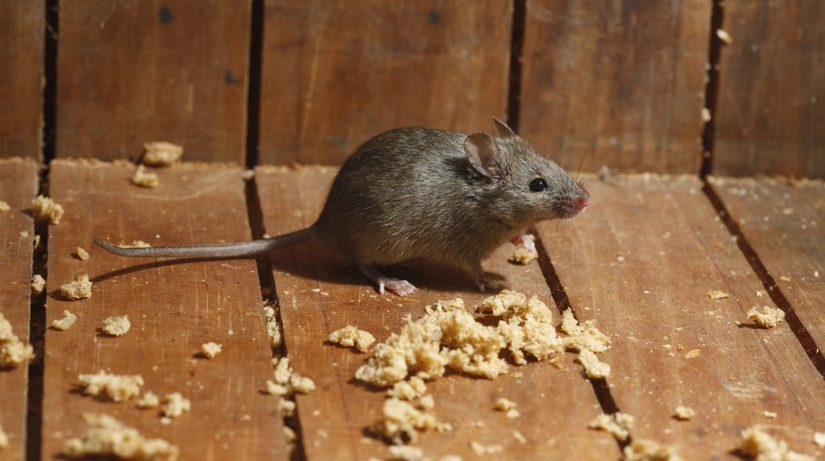
The BC SPCA applauds the Vancouver Park Board’s decision to review its pest control management strategies for wildlife and rodents at the city’s parks and recreational facilities. The motion (PDF) was brought forward by Commissioner Stuart Mackinnon and passed unanimously at the Board meeting on March 11. Park Board staff will also assess if it would be possible to incorporate the BC SPCA’s AnimalKind standards for pest control (PDF) into its contracts.


The Board raised concerns about rodenticides causing secondary poisoning to animals that prey on rodents and travelling up the food chain, and turned to the BC SPCA to explore alternative methods are available for the humane control of wildlife. The BC SPCA’s AnimalKind standards and accredited pest control companies focus on removing the animals and preventing future problems instead of trapping, relocating or killing.

AnimalKind standards also outline best practices for rodenticide use, and note they should only be used when the continued presence of mice or rats is an ongoing threat to human health and safety. AnimalKind is an evidence-based accreditation program that was created in partnership with the UBC Animal Welfare Program, through the grant support of the Vancouver Foundation.

“We applaud the Park Board for being a leader on this issue,” BC SPCA chief scientific officer, Dr. Sara Dubois says, “Rodent control is unfortunately a necessary practice, but AnimalKind standards aim to minimize the amount of suffering these animals experience. The BC SPCA looks forward to working with municipalities and other institutions to see how AnimalKind can work for them.”
Pest control businesses that are interested in becoming AnimalKind should contact the BC SPCA at animalkind@spca.bc.ca for more information.


08 March 2019

COMMISSIONER MACKINNON WANTS HUMANE AND ETHICAL PEST CONTROL METHODS USED IN VANCOUVER PARKS


MEDIA RELEASE – FOR IMMEDIATE RELEASE – MARCH 8, 2019


VANCOUVER, B.C. – On Monday March 11, 2019, Green Commissioner Stuart Mackinnon will table a motion asking staff to review pest control management strategies for wildlife and rodents at Vancouver Parks and Recreation facilities. Mackinnon’s motion references the millions of animals who suffer each year from inhumane pest control methods and states that alternative methods are available.
Mackinnon’s motion further directs Park Board staff to assess the viability of including AnimalKind standards into its pest control contracts; AnimalKind is an animal welfare accreditation program for pest control companies set up by the BC SPCA.
“This is about ending needless suffering; and about preventing the harm or even deaths of animals that aren’t the intended targets of pest control,” said Mackinnon.
“Too often animals like hawks, dogs, cats, and owls suffer or die from consuming poisoned animals or the poison itself. All animals, whether they are the targets or not, should be spared unnecessary anguish if we can avoid it.
“Wildlife and rodent management is a necessary role of the board but we can and should be leading by example when it comes to humane practices and protection of wildlife.”
-30-
More Information:
Stuart Mackinnon: +1 604-379-7715

25 February 2019

Assessment of Pest Control Policies

Tonight I submitted my first Notice of Motion for this term: 

WHERE AS:

1.       Each year millions of animals suffer from inhumane pest control 
          methods;
2.       Rodenticides cause secondary poisoning of non-target animals that prey 
          on rodents and travel up the food chain.
3.       Alternative methods are available for humane control of wildlife; 
4.       Wildlife and rodent management is a necessary role of the Vancouver
          Board of Parks and Recreation;

THEREFORE, BE IT RESOLVED THAT:

  A.  THAT the Vancouver Park Board request staff to review pest control management strategies for wildlife and rodents at Vancouver Parks and Recreation facilities, including how and where rodenticide/lethal control/relocation are used, and the cost of existing contracts; 

 B.   FURTHER THAT staff assess the viability of including BC SPCA AnimalKind wildlife and rodent control standards into pest control contract language.

For more information on AnimalKind visit the BC SPCA.

23 February 2019

Vancouver reconciliation with Indigenous peoples starts with parks: An interview with Conference Keynote Rena Soutar

by | Feb 11, 2019 |ParkPeople.ca
reprinted by permission


 Rena Soutar is one of the keynote speakers at Park People’s upcoming Heart of the City Conference taking place in Montreal, June 12-14, 2019. Rena Soutar is the first Reconciliation Planner at Vancouver Board of Parks and Recreation. Register or apply to attend the Conference. 


For 3,000 years, Indigenous peoples lived on a densely forested peninsula overlooking the Salish Sea in what is now called Stanley Park. It was home to the Tsleil-Waututh, Squamish and Musqueam peoples, and there was a village onsite called Xwayxway, where potlatches were held as late as 1875. Today, Vancouver’s largest iconic park holds little trace of its Indigenous ancestry.

Following the land’s official designation as Stanley Park in 1886, most Indigenous inhabitants were removed without remuneration. This displacement took place in parks across the city. According to the Vancouver Park Board:

“One of the core acts of colonialism is the removal of entire communities from their ancestral homes. This has been undertaken by the Park Board since its inception—beginning with the declaration of jurisdiction over ‘Stanley Park’, as well as beach areas around the City.”

The Vancouver Park Board is trying to address these past wrongs. Reconciliation is the goal. It means something unique to everyone, but ultimately it involves building a new relationship between Canadian society and Indigenous peoples. According to the Vancouver Park Board, it is more than a ceremonial acknowledgement of these territories. It is an opportunity to learn Vancouver’s true history and recognize the unjust treatment of Indigenous peoples.

“It’s the right thing to do,” said Rena Soutar, Reconciliation Planner with the Vancouver Parks Board. “With jurisdiction over green spaces, beaches, and community centres, the Park Board serves a diverse population. However, we are learning that Indigenous communities are not well-served in our current system.”

The process of reconciliation started in January 2016, when the Vancouver Park Board adopted 11 strategies in response to the 94 calls to action issued by Canada’s Truth and Reconciliation Commission. The strategies include adopting the United Nations Declaration on the Rights of Indigenous Peoples, training staff on Indigenous issues, and establishing a program for artists to create works inspired by reconciliation, including an artist residency in Stanley Park.

“Musqueam artist Chrystal Sparrow is the inaugural artist to practice her art in the A-Frame cabin at Second Beach. She has an open house once a week where visitors can learn from her lived experience and cultural insights,” said Ms. Soutar.

To further support its ambitious Reconciliation agenda, the Parks Board recently approved a “colonial audit” which will outline its colonial history and seek to formally apologize to the Musqueam, Squamish, and Tsleil-Waututh First Nations for “core acts of colonialism.” The Park Board also hired Ms. Soutar to consult with Indigenous leaders to ensure Indigenous history, values, and memory practices are reflected in its policies and programs. This includes planning new and existing parks.

Northeast False Creek Park is one of the first new parks they are working together on. The park is part of a master plan for a large area of undeveloped land around the Georgia Viaduct in downtown Vancouver (the viaduct is slated for removal….RIP Vancouver’s only downtown freeway). Staff are working closely with local First Nations and urban Indigenous communities to ensure principles of cultural practice, ecological stewardship, and visibility of the three Nations are reflected in the park’s design.

“Northeast False Creek Park is the first major new park to be designed since the Parks Board has undertaken a commitment to decolonizing our approach. It has resulted in broader and deeper engagement with local First Nations and other Indigenous advisory groups,” said Ms. Soutar.

While the Vancouver Parks Board and local First Nations are creating a path forward for working on future parks, they also established a new collaboration on the city’s oldest park, which was once a source of dark history for them both.

In 2014, the Park Board received a letter from the Musqueam, Squamish, and Tsleil-Waututh governments, who came together to reiterate their rights in Vancouver – specifically Stanley Park. The Nations had individually sent letters previously, but for the first time, the Board agreed to meet and ultimately to work together towards a long term, comprehensive plan for Stanley Park.

 “The Park Board now meets monthly with representatives of the three local First Nations governments to develop a comprehensive plan for Stanley Park with a 100-year vision,” said Ms. Soutar. “There is a lot of trust to be built, but we’re finding that when it comes to the park, our values and principles align.”

One of the Stanley Park Working group’s first tasks is renaming Siwash Rock, a beautiful, iconic rock in the park whose current name implies a derogatory reference to Indigenous people. In First Nations culture, the rock, estimated to be about 32 million years old, represents a man turned to stone to honour his purity and dedication to fatherhood.

“For over 100 years, The Park Board was the narrator and curator of cultural narrative in Vancouver’s parks. This has long contributed to the erasure of the local First Nations,” said Ms. Soutar. “We are now in a prime position to correct these situations and demonstrate what a decolonization process within a Reconciliation framework can look like in a public institution.”


Jillian Glover is a communications professional who specializes in urban issues and transportation. She is a former Vancouver City Planning Commissioner and holds a Master of Urban Studies degree from Simon Fraser University. She was born and raised in Vancouver and writes about urban issues at her blog, This City Life.

Visit Park People for amazing articles and information on urban parks in Canada.

19 February 2019

Court rules Vancouver Park Board has authority to ban cetaceans at Vancouver Aquarium

Vancouver Park Board
News Release
February 19, 2019


The BC Court of Appeal has ruled that amendments to a Park Board bylaw prohibiting the importation and display of cetaceans, including whales, dolphins and porpoises, in city parks applies to the Vancouver Aquarium.

“The Park Board is pleased by today’s decision,” said Park Board Chair Stuart Mackinnon. “The amendment to our bylaw is thoughtful and reflective of public opinon. The Court’s decision upholds our legislative powers to regulate activities and operations within our parks.”

Today’s ruling overturns a BC Supreme Court decision last year that the Park Board’s May 2017 amendment to its bylaw restricting cetaceans in Vancouver parks could not be applied to the Aquarium due to prior agreements with the Board.

The Park Board, along with applicable provincial and federal laws pertaining to cetaceans, permits and regulates Aquarium activities in Stanley Park.

The Park Board has a long-term lease with the 60-year-old Vancouver Aquarium to operate within Stanley Park. The Aquarium has operated in the park since 1956. The current lease runs to 2029.

Stanley Park is owned by the Government of Canada and leased in perpetuity to the City as a park. City Council has designated Stanley Park as a permanent public park under the Vancouver Charter. The Park Board has exclusive jurisdiction and control over Stanley Park.
                                                                                                                          

- 30 –

Media contact:
Vancouver Park Board
604-257-8440

07 November 2018

Ever wondered what the Park Board does?

Here's a video tribute to our 2014-2018 Board, produced by Margo Harper.

To the out-going elected Board: a job well done. So proud to have been a part of it.


New Vancouver park board commissioners sworn in

Two incumbents, five new commissioners

/ Vancouver Courier
November 6, 2018 01:15 PM

It’s official. Vancouver’s new park board commissioners were sworn in Monday night at a special ceremony at VanDusen Botanical Garden.

After a thank you and short tribute to the work of the outgoing board, which included Michael Wiebe and Sarah Kirby-Yung, who were sworn in as city councillors earlier in the day, the new commissioners were sworn in and took their places at the table.

“Tonight at this table you see seven commissioners who have very large shoes to fill,” said Green party commissioner Stuart Mackinnon, who was re-elected to a third term on Oct. 20. “The commissioners for the last four years have been incredibly hard working and dedicated and I can’t thank them enough on behalf of the citizens of Vancouver… we may not always agree around the table, but I think we can all say that we have the best interests of parks and recreation, and for the citizens of Vancouver, in our hearts.”

Non-Partisan Association commissioner John Coupar also returns to the board for a third term. The incumbents are joined by newcomers Tricia Barker (NPA), the Greens’ Dave Demers and Camil Dumont, and COPE’s Gwen Giesbrecht and John Irwin.

Mackinnon was elected board chair, a position he’s held for the last year, and Demers was elected vice-chair. Giesbrecht and Barker were elected to serve as committee chair and vice chair.

“I look forward to four years of hard work, good times and tough times in this city,” Mackinnon said. “I thank you all for your support because we’re going to need it over the next four years. It is for you that we are elected, it is for you that we are working.”

The new board gets down to business with its first regular board meeting Nov. 19.

@JessicaEKerr
jkerr@vancourier.com

22 October 2018

Better Parks for Vancouver

Thank you Vancouver for voting for Better Parks. 
For kindness. 
For inclusion. 
For reconciliation. 
For A Brighter Future. 


 Dave Demers, Camil Dumont, & I 
look forward to serving you.

21 October 2018

Vancouver Park Board Election Results

THANK YOU VANCOUVER! 

Results:

Park Board (Elect 7)

CANDIDATE:                     PARTY:               # VOTES
MACKINNON, StuartGREEN73718
DEMERS, DaveGREEN73326
DUMONT, CamilGREEN65447
COUPAR, JohnNPA49836
BARKER, TriciaNPA48831
GIESBRECHT, GwenCOPE48481
IRWIN, JohnCOPE46360   
COPPING, Ann-MarieNPA46110
MCGARRIGLE, KathyNPA45680
CRAWFORD, CaseyNPA45579
BEESLA, PallNPA36129
SHIVJI, ShamimVision Vancouver34620
ZUBKO, CameronVision Vancouver33990
SIU, WinnieCoalition Vancouver21771
YEUNG, JenniferVANCOUVER 1st20329
CHANG, Ray En-JuiCoalition Vancouver17940
GALLOWAY, JasonCoalition Vancouver17051
ZARUDINA, OlgaCoalition Vancouver16044
HAMILTON, Jamie LeeIDEA Vancouver15328
HEBA, LeoYES Vancouver14818
FUOCO, ChrisVANCOUVER 1st13613
GOLDENCHILD, RayVANCOUVER 1st13431
SANGHA, Taran KaurCoalition Vancouver13180
ROSSETTI, MassimoVANCOUVER 1st12917
EDGELOW, GregProVancouver11782
HURLBUT, RickProVancouver11434
JOHL, YogiVANCOUVER 1st10982
MALDONADO, Juan CarlosCoalition Vancouver10722
NEMETZ, Steven L
10430
KAGIS, MathewWork Less Party10239
RELPH, Cliff
7132
CUEVAS, Victor
6953
HAUGEN, MargaretIDEA Vancouver5304

18 October 2018

Better Parks

The future of parks requires innovative ideas comprehensive strategies and a collaborative approach. On October 20th vote to keep Vancouver parks and recreation moving forward.


Growing Up

For me growing up in Vancouver was magical. Every child in Vancouver deserves those same opportunities, now and always.


Natural Beauty

Vancouver's natural beauty is worth protecting. Preserving our natural landscape needs to be at the heart of our parks and recreation system.


17 October 2018

Accessible Spaces


To ensure a healthy city our citizens need vibrant public spaces. Better parks and recreation is why Stuart Mackinnon is running.


16 October 2018

Reconciliation

Reconciliation is more than just words.


Reconciliation is a long and important process. Stuart Mackinnon has shown leadership on park board through motions to learn traditional Indigenous places names and undertaking a colonial audit of the ways the Vancouver park board's decisions have contributed to colonization.

15 October 2018

Collaboration


 Greens believe in a collaborative approach to problem solving. Green  commissioners will work with all elected park board commissioners to make better parks for everyone.


03 October 2018

The 2018 VPSN Park Board Candidate Survey

The Vancouver Public Spaces Network is an all volunteer, non-partisan, non-profit organization dedicated to protecting and enhancing public space for the benefit of all Vancouverites. Each election they sponsor a survey of park Board candidates in the Vancouver civic election. Here are the ansers I gave to their 2018 survey: 


Vancouver is one of only a few cities with an elected Park Board – and this year’s election will give voters a chance to elect a total of seven Commissioners. As with previous elections, we are asking candidates to share some of their ideas and passions about parks and recreation facilities through a short questionnaire. We want to give them a chance to go beyond basic platform materials so share a deeper sense of their priorities for office.

We reached out to each of the 33 contestants for office on Thursday, September 27, and asked them to weigh in on the questions below. We’re publishing their answers – sorted by question and by candidate – as we receive them.

Park Board Candidate – Stuart Mackinnon (Green Party)

Top 3 priorities – City of Vancouver candidate form
  1. Sustainable Parks
  2. Affordable Recreation
  3. Reconciliation
Platform – City of Vancouver candidate form
“The Green Party will: Honour Vancouver’s rich, natural beauty by prioritizing ecological, social, and economic sustainability for projects undertaken by the Park Board. We take a proactive stance toward increasing biodiversity, protecting wildlife, and preserving habitat. Greens will work in close collaboration with our partners and staff to provide a welcoming and inclusive standard at every Park Board facility, for all ages, genders, abilities, and backgrounds. We will promote reconciliation, healthy recreation, and active transportation.”

1. What is your favourite park or park board facility in Vancouver, and why?
Most days I get to walk along the Fraser river at Riverfront Park. On weekends a walk along the western beaches or through Stanley Park recharges me. The truth is every park offers a unique experience. Every community centre reflects their neighbourhood. This is one of the reasons why Vancouver is often listed as one of the most liveable cities in the world.

2. We’ll be sharing the top three priorities that you provided the City of Vancouver, but we want to know: which one of your three priorities are you most passionate about, and why?
As a candidate for the Green Party, sustainability is my most important priority. Preparing Vancouver, a sea-bound city, for the changes brought about by climate change has to be at the forefront of every decision we make. We must ensure that new facilities meet the needs of today and tomorrow, and that we continue to look after the assets we already have.

3. Vancouver is a growing city! What are your ideas for ensuring that the city’s parks and recreation facilities can respond to the needs of an increasing and diversifying population?
Ensuring that parks and recreation facilities are open and welcoming to all. Our community centres should be hubs for everyone, young and old, with day-care, fitness facilities, recreational programming, and seniors’ centres. Whether you are new to Canada, new to the neighbourhood, or new to this world, a warm and welcoming community centre can help at every stage of growth, development, and life. The diversity of Vancouver should be reflected in the programming offered. Community centres must be safe spaces for all, and open to all regardless of income, age, gender, ability or background.

4. Given the high cost of land in the city, what suggestions do you have for how the Park Board should approach the creation of new park spaces?
New ideas are needed to face the growing densification of Vancouver. We cannot continually look backward to another time when land was plentiful and costs low. Smaller pocket parks like they have in Montreal, using unused or repurposed spaces like the Highline in New York City, or creating public spaces where none existed before like the new Oakridge project are just some of the ideas we need to look to. We need to look to the future not the past to have better parks and recreation for all.

5. What, if any, role do you see the Park Board playing in responding to critical social issues such as homelessness, the opioid epidemic, and social isolation?
Community Centres can and should be used for emergency shelters when temperatures become unmanageable on the streets. In the past term some Commissioners wanted to close these facilities and leave the most vulnerable to freeze on the streets. Luckily this was defeated. While the park board alone cannot solve the social problems of Vancouver, in partnership with the City, Coastal Health, the police, and other partner agencies, we can work together to find safe spaces where our vulnerable population can find shelter and support. Working with other agencies we can keep our parks clean and safe. Working together as a community we can ensure that all public spaces are open to all.

6. In the past few years, the Park Board has taken steps to acknowledge First Nations cultures and the impacts of colonization on local Indigenous communities. Would you continue this work? If yes, how?
Yes. Reconciliation is more than just words. The Vancouver park board has undertaken real efforts to work with local First Nations to work toward reconciliation through truth-telling. From truth-telling can come healing. Creating opportunities for dialogue with both the land-based First Nations and the urban indigenous people is the first step. Listening and working in partnership will lead to better understanding and is the path to true reconciliation.

7. How can Vancouver’s parks and recreation facilities best respond to the challenges posed by climate change?
As a sea-bound city, recognizing climate change will have a profound impact on our city is paramount. Planning for sea level rise, ensuring our community centres are prepared to be emergency hubs, and educating the population on measures they can take to mitigate and prepare for change is a key role for the park board. The park board has been, and must continue to be, a lead local agency in natural mitigation and preparedness. Planning for climate change at the park board has already started. This must continue to be a priority.

8. What, if any, role do you think privately owned companies should play in the management, operation, or naming/branding of Park board facilities?
One of the greatest forethoughts of the city was the creation of a park board. This has ensured that public spaces, like parks and community centres, are open to all. I have fought the continuing commercialization of our public spaces for 20 years. Corporate branding and naming have no place in public spaces. Our park workers are some of the best in the world with unique local knowledge and experience. All park board facilities should be managed and maintained by park board workers.

9. What, if any, role do you feel that neighbourhoods or community groups should play in the stewardship of park spaces and facilities?
The community must play an important role in the stewardship of park spaces and facilities as park partners. The community is the reason such facilities exist and must therefore be at the centre of it all. Local input creates the feeling of local stewardship. Regular users become the ‘eyes & ears’ reporting deficiencies and needed improvements. Neighbourhood groups can bring a sense of community that can be lost in a big city. The stronger the partnership, the greater the sense of ownership and community.

10. Is there anything else you would like to share about yourself or your platform?
As a Green, I believe in a collaborative approach to problem solving. Guided by this principle the park board has made great strides in the past 4 years, but there is so much more to do. I’m running for re-election with the Vancouver Green Party because we know that working together works best for everyone.


More Information
City of Vancouver – Park Board candidate webpage

For lots more information visit the VPSN website here.

Stuart Mackinnon: For a brighter future, vote for better parks—vote Green

by Stuart Mackinnon on October 2nd, 2018 at 11:09 PM
The Straight.com


The need—and the desire—for more public spaces will continue to increase as Vancouver densifies. To ensure a healthy city, our citizens need vibrant public spaces. I’m running for reelection with the Green Party because I want to keep Vancouver’s parks green, clean, and welcoming.
The park board is almost as old as Vancouver itself, but we can’t keep looking backwards and wish for a city that no longer exists. We must move to planning for a future that includes parks for all.
I have been at the forefront of prioritizing infrastructure renewal because over the years our recreational facilities have been neglected: neighbourhood outdoor pools have been closed; community centres have deteriorated; and too little money has been reinvested. The next capital plan is set to renew our infrastructure and build for the future. The next term will determine where these priorities will be set. I want to be there to advocate for you.
Residents know what they want from their parks and recreation facilities. Community-centre associations know best what their members want in programming. That's why for the past four years I’ve been working on a stronger partnership between the park board and community organizations reflecting these values. And that’s why for nearly 20 years I have been promoting neighbourhood services to enhance local communities.
Parks and recreation must be for everyone. That’s why I’ve been working toward accessible spaces for everyone, regardless of age, income, gender, or ability. That’s why I’ve been at the forefront of Reconciliation, ensuring that respect and truth-telling are a part of every decision we make. That’s why clean, accessible washrooms have been my priority. That’s why I’ve been challenging the continued commercialization of our parks.
Vancouver’s natural beauty is worth protecting. Our children not only need places to play but also places to enjoy and explore nature. We all need places of tranquil refuge from our busy lives. We need parks that reflect these values. We need to daylight our hidden streams and ensure they are salmon-safe. We need to protect our tree canopy and add to it. We need beautiful parks, vibrant gardens, and calming passive spaces.
Vancouver loves to play. Our sports fields need to be ready for both competitive teams and recreational pick-up games. Working with our park partners, we need to improve the quality of our fields and sports courts and invest in new surfaces like indoor tennis, field hockey, lacrosse, and roller derby, for the growing population of athletes and players. We also must ensure the fields and spaces we have meet national and international standards.
Vancouver is a growing and dynamic city. We can’t rely on outdated concepts of design and programming. We need to develop new, innovative ideas to enhance our urban experience: new ways of making parks; new ways of developing public spaces; new ways of offering programming to reflect our new and growing population.
Best practice must be met with innovation. Sustainability must be matched by biodiversity. Serving our youth, seniors, families, and all the diverse communities that make Vancouver the amazing city it is must be at the forefront of everything we do in parks and recreation. Better parks are not only possible but necessary to keep Vancouver on the leading edge of a brighter, healthier, and more active city.
I want to continue to serve the people of Vancouver. The Green park board team is dynamic, knowledgeable, and compassionate. We have the knowledge, experience, and passion to make our parks and recreation the best it can be. I want to work with Dave Demers and Camil Dumont on making better parks for Vancouver. I want a brighter future.
Please vote for the entire Green team at parks. On October 20, vote for Dave Demers, Camil Dumont, and Stuart Mackinnon. Vote Green.
Stuart Mackinnon is the current chair of the park board and is running for reelection with the Green Party of Vancouver.

02 October 2018

Park board to test out liquor sales at two Vancouver beaches

Next summer, you can enjoy a cold beer or a glass of wine at English Bay and Kitsilano Beach as part of a two-year seasonal pilot.